100% Canadian Owned & Operated





Model:
Your Model No.:
Mfr. No.:
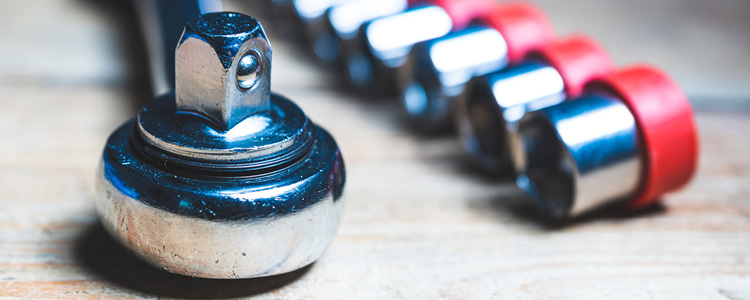
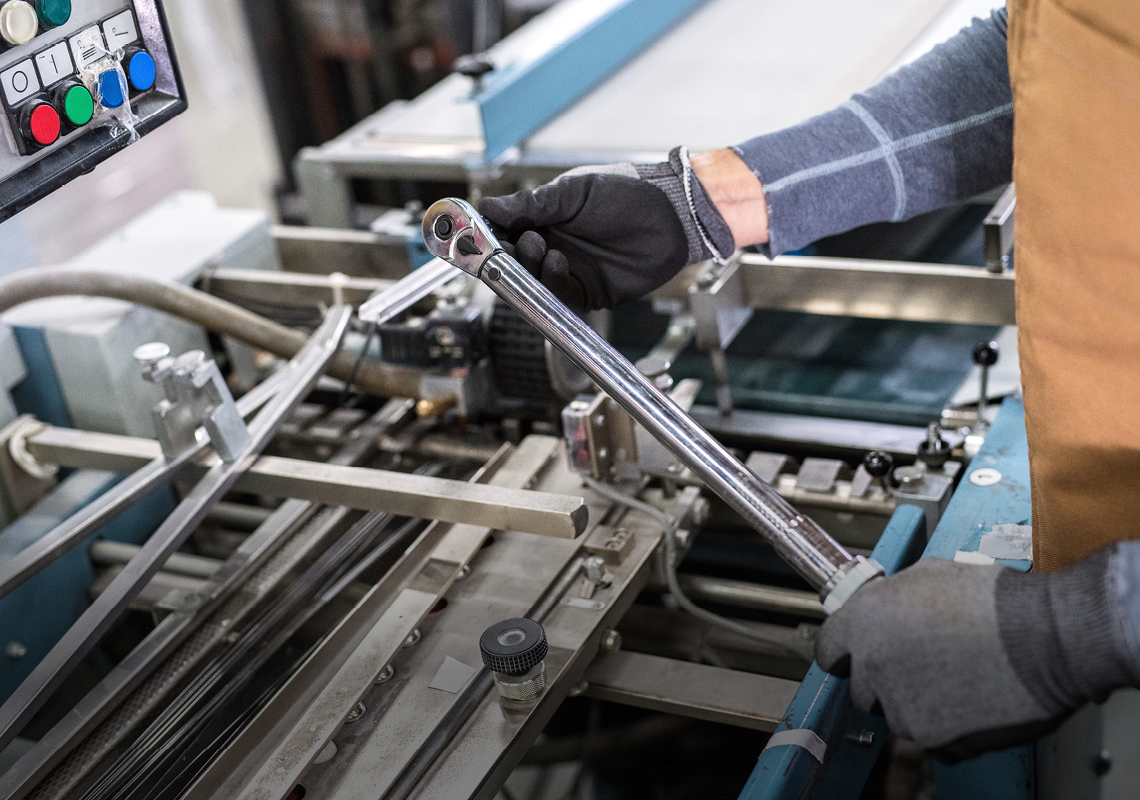

Torque wrenches provide precision and reliability in critical tasks. Also known as torque limiters, they apply a predetermined amount of torque to a fastener. They are essential tools for many, from automotive and aerospace technicians to DIYers working on bicycles and small engine equipment.
Read the guide below to discover the options available and which torque wrench is most suitable for your usage.
They are precision instruments designed to apply precise torque to a fastener. The user determines the desired torque value, while the torque limiter provides an alert once it reaches that value.
Torque wrenches generally come in different types and sizes to suit many projects. They should provide reliable service for many years with the proper care and maintenance.
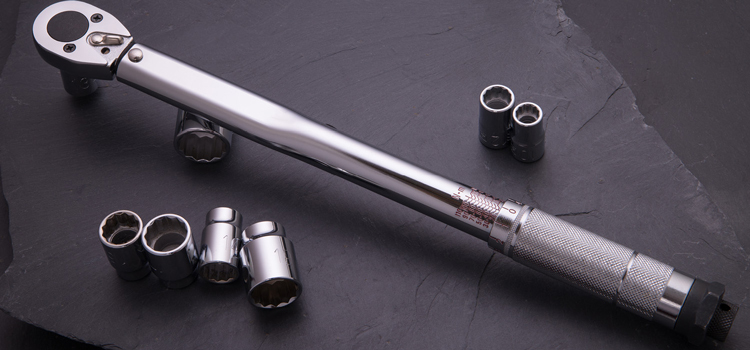
Pre-set torque wrenches are factory-set and, therefore, aren't adjustable by the user. Pre-set torque wrenches are best suited for applications that require repeated torquing to one unchanging value. The pre-set design also makes it impossible to over-torque the fastener.
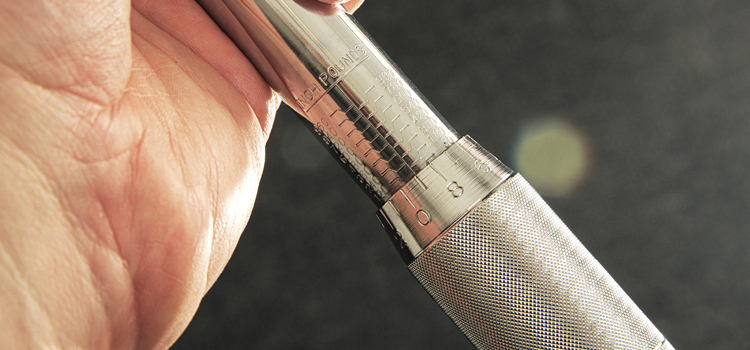
Adjustable torque wrenches offer greater flexibility than the pre-set models. The user can set the torque to any required value within the tool′s operating scale. This scale usually appears on the wrench handle, most commonly in inch/pound, foot/pound, or Newton/meter measurements.
The click-type torque wrench, the most common type, operates similarly to a ratchet. However, when the torque meets the value set, it produces a unique "click" noise.
Dial-type torque wrenches, the most accurate type, tighten and loosen fasteners with their double-end square drive. An analog dial containing two needles displays the torque value.
Set the first needle to the desired torque value and the other to zero. As you apply torque force, the second needle will move along the dial until it reaches the first needle. When the two needles meet, you have reached the desired torque value.
Electronic torque wrenches use an electronic sensor to measure torque. They display the torque value on a digital screen and offer audible and visual indicators once you reach the set torque value. Their digital design also allows users to download information to a computer. While this style is the most expensive, it features four scales — ft/lbs, in/lbs, Nm, and kg/cm — compared to the two seen on other styles.
The most common drive size offerings of torque wrenches are 1/4", 3/8", 1/2", 3/4", and 1". When selecting a drive size, consider the sockets, fastener size, and torque range needed.
A 1/4" drive is ideal for small fasteners and applications requiring 4 to 21 ft-lbs. 3/8" wrenches have a torque range of 15 to 75 ft-lbs and are one of the most commonly used on small to medium nuts and bolts. For a 30 to 250 ft/lbs torque suitable for larger fasteners, select a 1/2" drive. Finally, choose a 3/4" or 1" wrench for applications requiring a heavy torque range.
At the time of purchase, every torque wrench should come with a factory certificate of calibration. This certificate ensures that the wrench has been tested and inspected correctly. Re-calibrate your torque wrench annually or every 5,000 cycles, whichever occurs first.
A proper calibration certificate includes the following:
A calibration certificate is valid for one year from the tool′s first use and not its date of manufacture or purchase.
Gain early access to monthly deals, exclusive sales, and more by signing up.

Max quantity is 999999999. Your cart item has been updated
Model:
Your Model No.:
Mfr. No.:
Qty.: