Gray Tools Insulated Tools Guide from Gray Tools

Insulated Tools Guide from Gray Tools

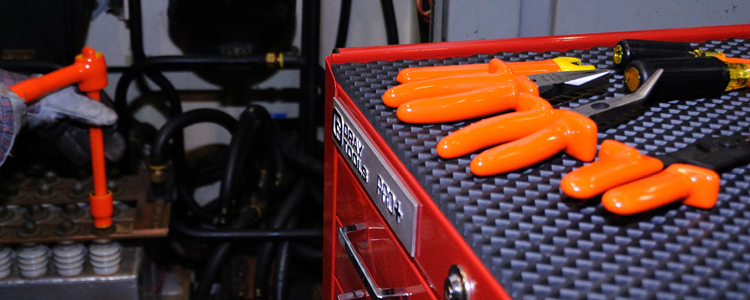
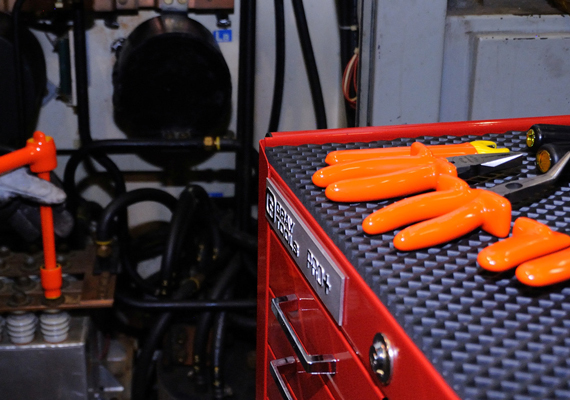
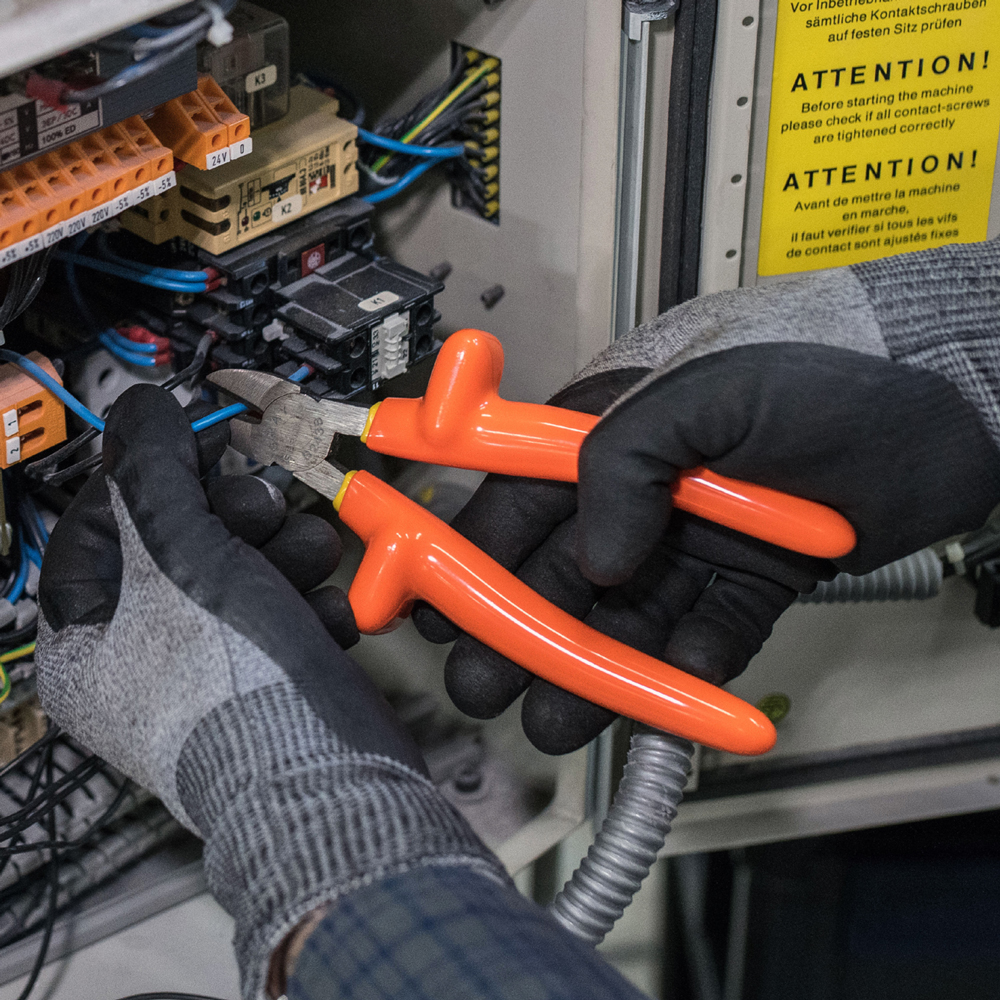
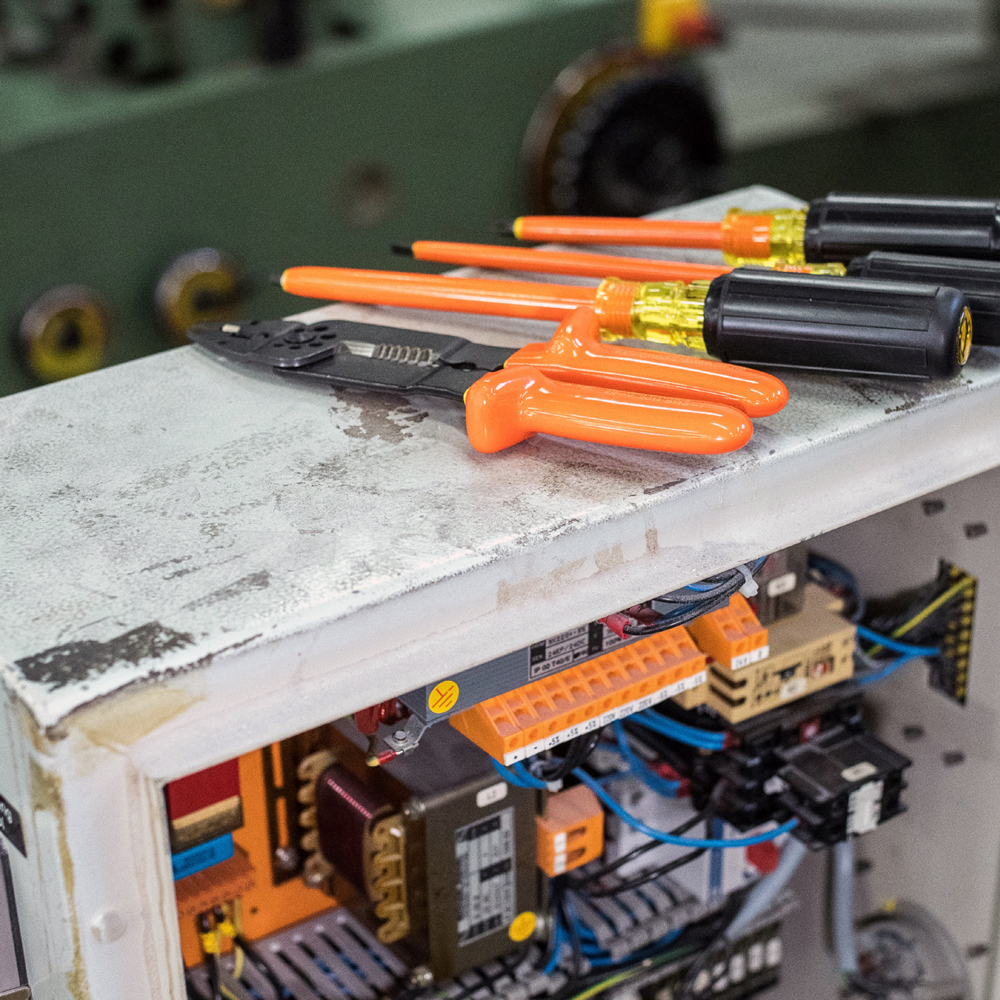
Gray Tools' exceptional range of insulated tools prioritizes user safety without compromising functionality. They offer protection against electrical shock, making them essential for professionals working in electrified environments. Combining the reliability and versatility of traditional hand tools with cutting‑edge insulation technology, these tools ensure peace of mind when working with electrical sources. Whether in the hands of electricians, maintenance technicians, or any tradesperson, Gray Tools' insulated tools deliver safety and performance.
The Making of Insulated Tools

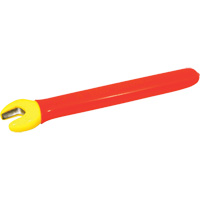
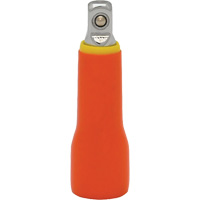
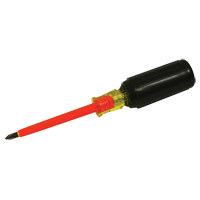
Gray Tools employs the dipping method when producing their insulated tools, meeting ASTM F1505 standards for adhesion, dielectric properties, flammability, and durability. Each tool undergoes two dips, with distinct colours representing each layer. Beyond mere aesthetics, the inner layer serves as a safety indicator. Should this layer become visible through the outer coating, it signals that the tool is no longer safe for use, prompting necessary replacement. Once insulated, each tool is trimmed, cleaned, polished, and tested to achieve optimum results. Only after a tool has passed every exhaustive test is it laser engraved with the ASTM F1505 double triangle symbol and the year the tool was insulated. This meticulous process ensures that Gray Tools' insulated tools exceed industry standards, prioritizing user safety and providing protection for up to 1000V.

Gray Tools The Making of Insulated Tools

Types of Insulated Hand Tools

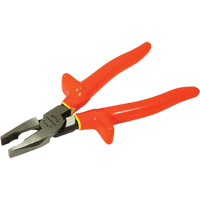
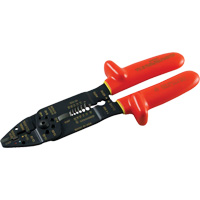
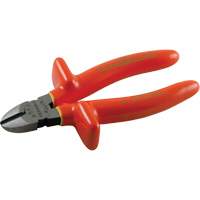
Having the right tools in your toolbox guarantees both your safety and productivity. When building your toolkit, start with these essential insulated tools that any tradesperson needs.

User Safety Tips

User Safety Tips

Follow the tips below to ensure your insulated tools are ready for use and to avoid injury:

  • Inspect the tool visually before every use for any damage to the outer orange layer of insulation.
  • Follow the manufacturer's specifications of ambient temperature when using the insulated tools.
  • Avoid touching any uninsulated part of the tool that may come into contact with an energized source.
  • Prevent damage to the insulation by keeping insulated tools away from sharp objects like utility knives.
  • Maintain a distance from heat sources to preserve the integrity of the insulation.
  • Regularly clean and maintain insulated tools.
  • When possible, turn off the electrical power before any inspection or repair.
  • Wear insulated gloves, boots, and arc flash protection clothing.