100% Canadian Owned & Operated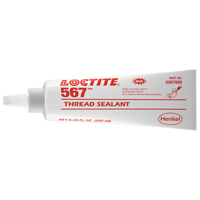





Model:
Your Model No.:
Mfr. No.:
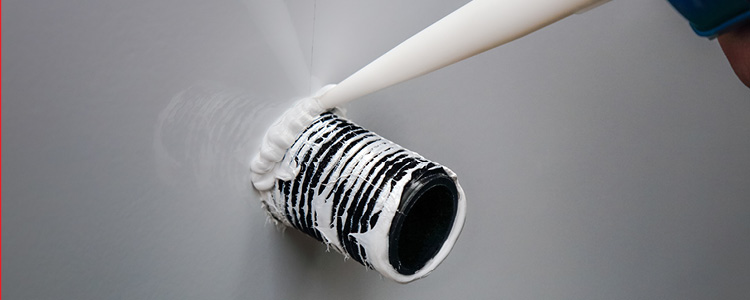
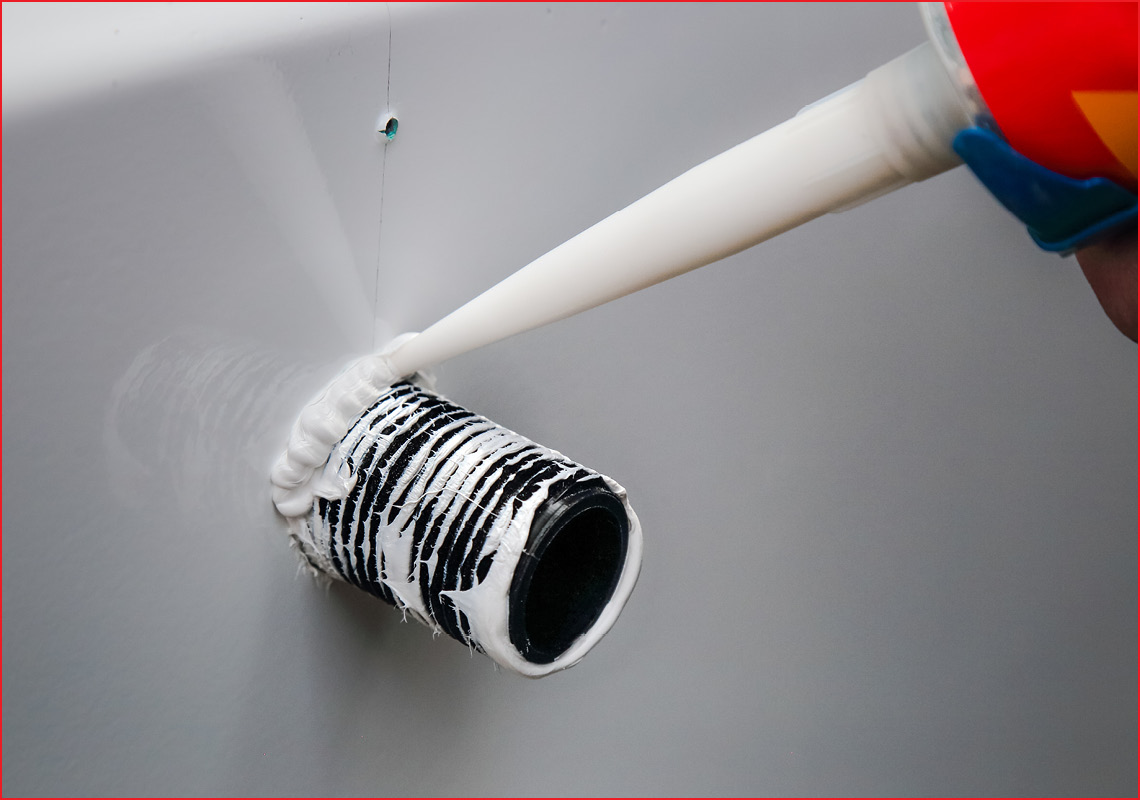
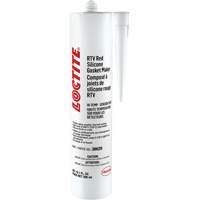
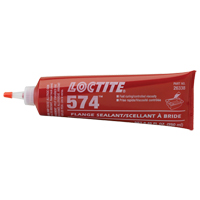
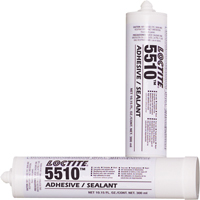
Selecting the right caulk can help prevent water damage, mould growth, air leaks, and more. It can bond different materials, secure pipes, seal cracks, and reinforce joints. Loctite® dedicates itself to providing maintenance, repair, and manufacturing solutions that deliver, which is why their sealing products offer excellent durability and longevity.
Read the guide below to learn how caulk and sealant differ and what type is best suited for the task at hand.
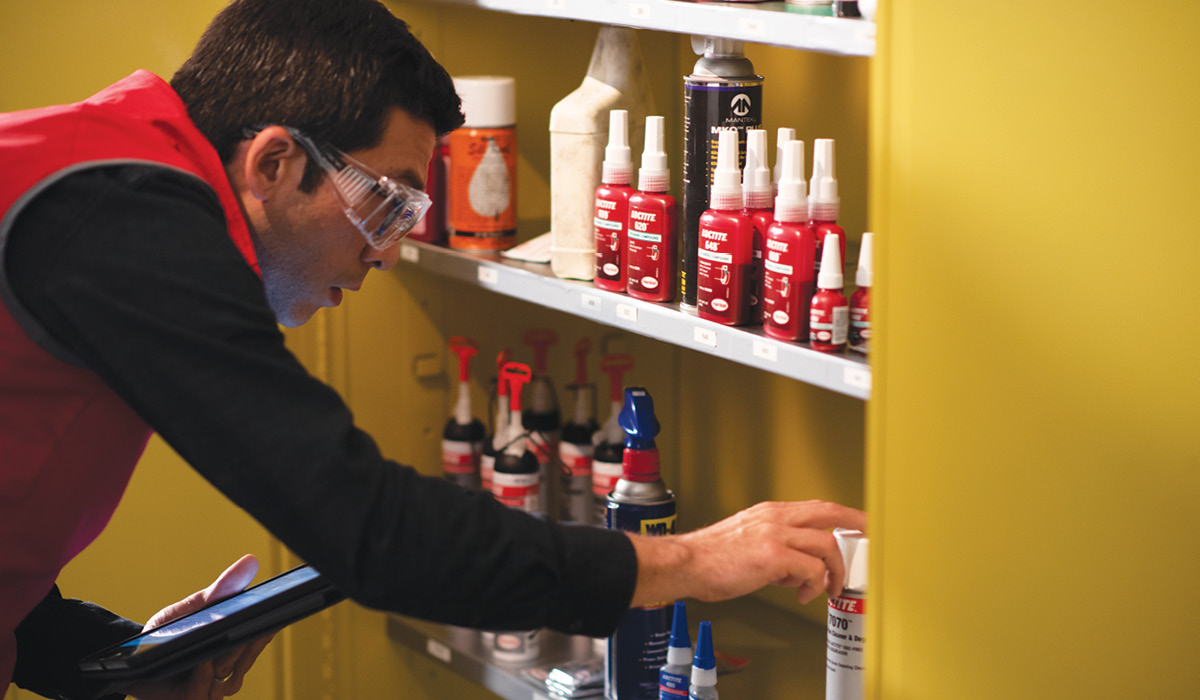
Caulk and sealant serve to seal joints and fill gaps between materials, making these terms interchangeable. While they create a barrier against moisture, sound, dust, and other elements, they differ in elasticity.
Caulks, typically made from latex and acrylic, provide a tight hold when sealing fixed surfaces and are primarily used to fill construction cracks. However, silicone-based sealants are more flexible than caulks and are better suited in spaces with fluctuating temperatures.
When selecting a filling, you need to consider how and where you will use it. If the job requires binding two surfaces together, select a sealant. If you are filling in gaps, use a caulk. Finally, if the job is outdoors or in a room with changing temperatures, select a silicone sealant.
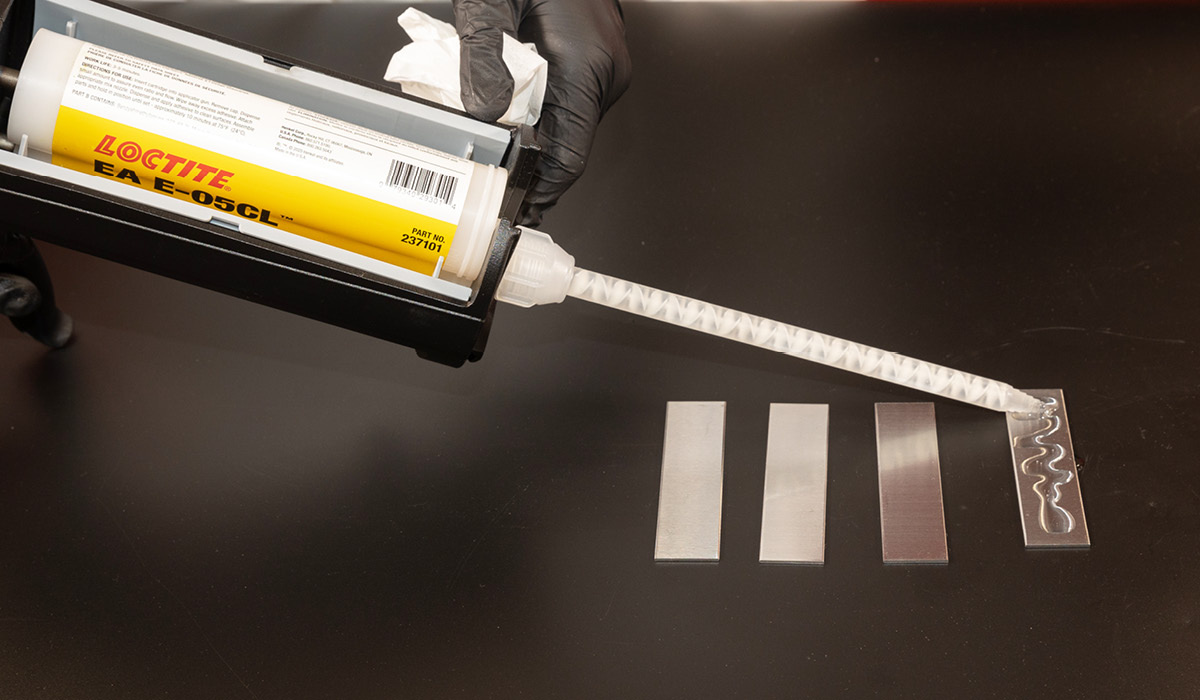
The two common types of applications are weatherproofing and structural, also known as glazing.
Weatherproof sealants can create an adequate barrier that offers UV protection and prevents moisture and water from entering the structure. For this form of application, it's essential to consider the following:
Structural sealants are load-bearing and can reinforce, anchor, bond, and repair materials. For this form of application, consider the following:
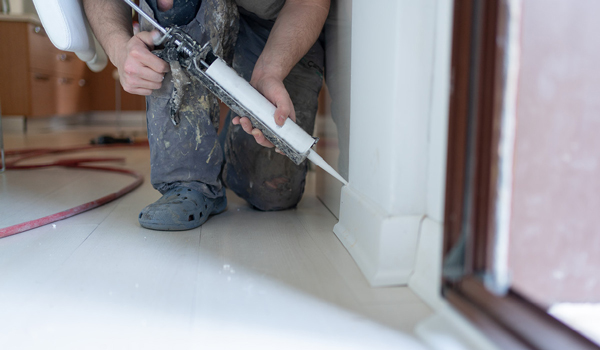
Here are some storage, preparation, and application tips to follow for proper installation:
Gain early access to monthly deals, exclusive sales, and more by signing up.

Max quantity is 999999999. Your cart item has been updated
Model:
Your Model No.:
Mfr. No.:
Qty.: