100% Canadian Owned & Operated













Model:
Your Model No.:
Mfr. No.:

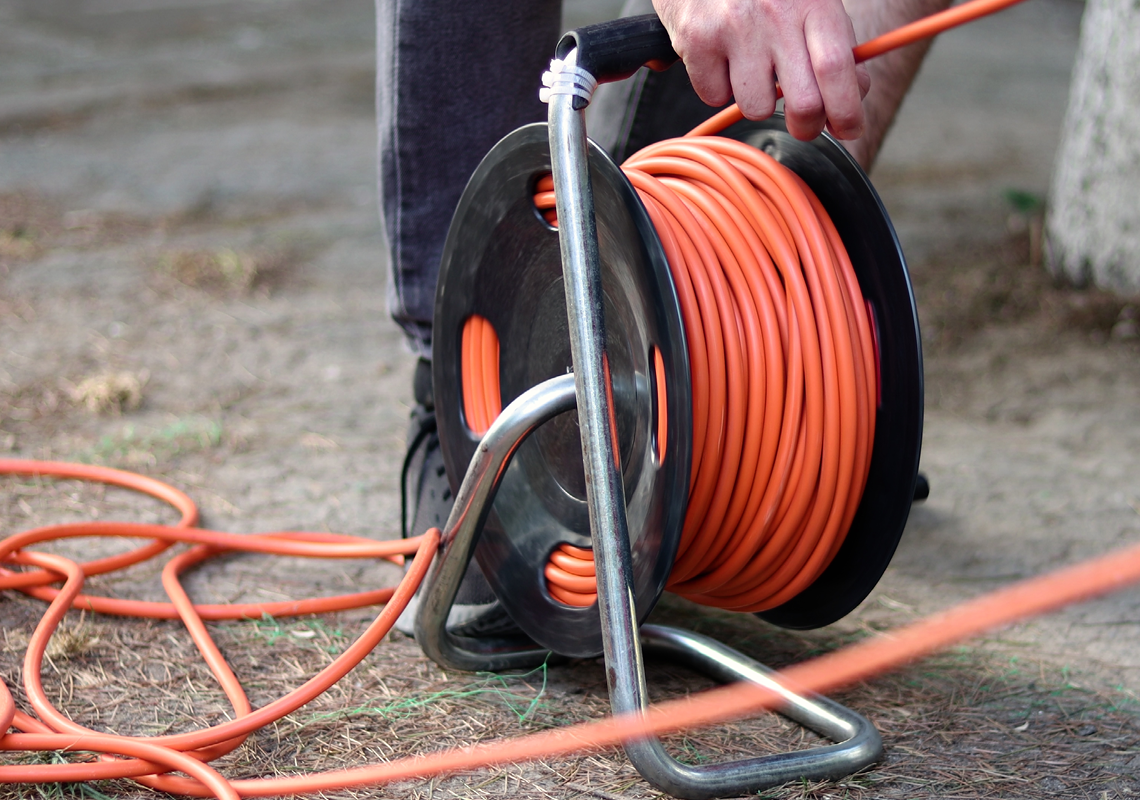
Choosing the right extension cord can help your equipment reach its full potential, keep you safe, and keep the device in good condition. With numerous options available, finding the right power extender can be an overwhelming task.
Read the selection guide below to help navigate the various deciding factors when shopping for an extension cord.
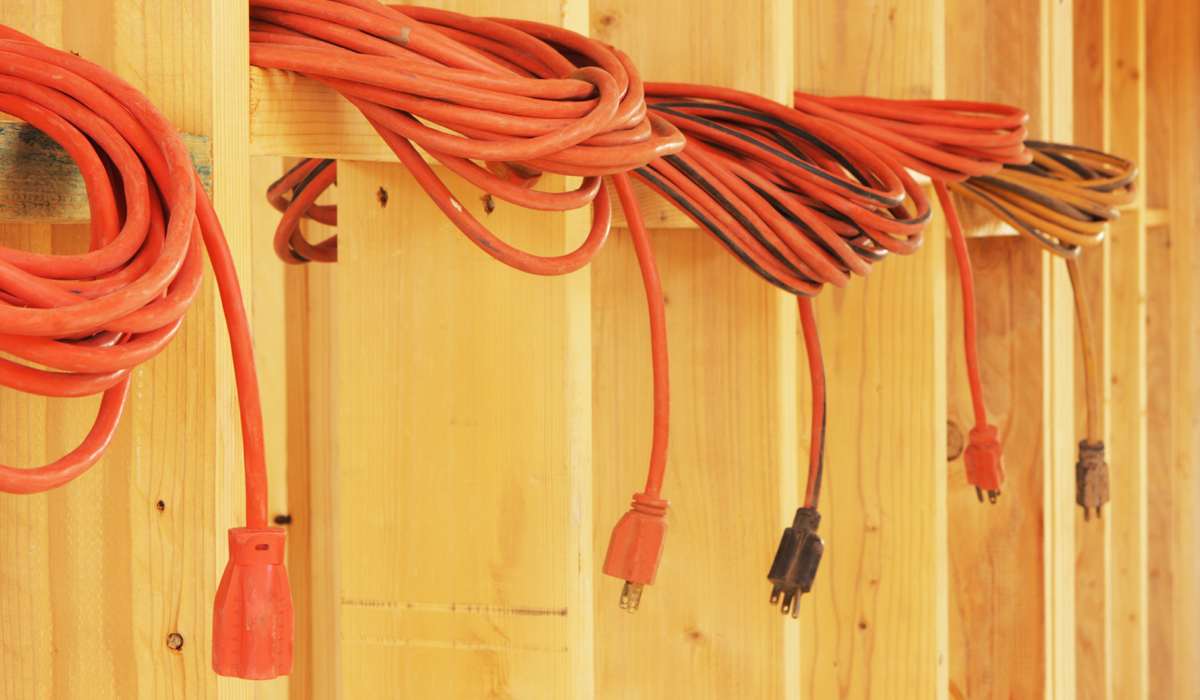
The first step when choosing an extension cord is to consider the weather conditions. If the conditions are wet, sunny, cold, or harsh, you will need a durable, heavy-duty cord that can withstand wear and tear.
| Type | Use |
|---|---|
| Indoor/Outdoor | Extension cords that are suited to light industrial, contractor, and general home use |
| Outdoor (Heavy & Extra-Heavy Duty) |
Suited for industrial and contractor use, with a thicker jacket |
| All-Weather | Suited for extreme climate conditions, with ultra flexibility for superior performance |
| Specialty | For specific applications like large appliances, generators, etc. |
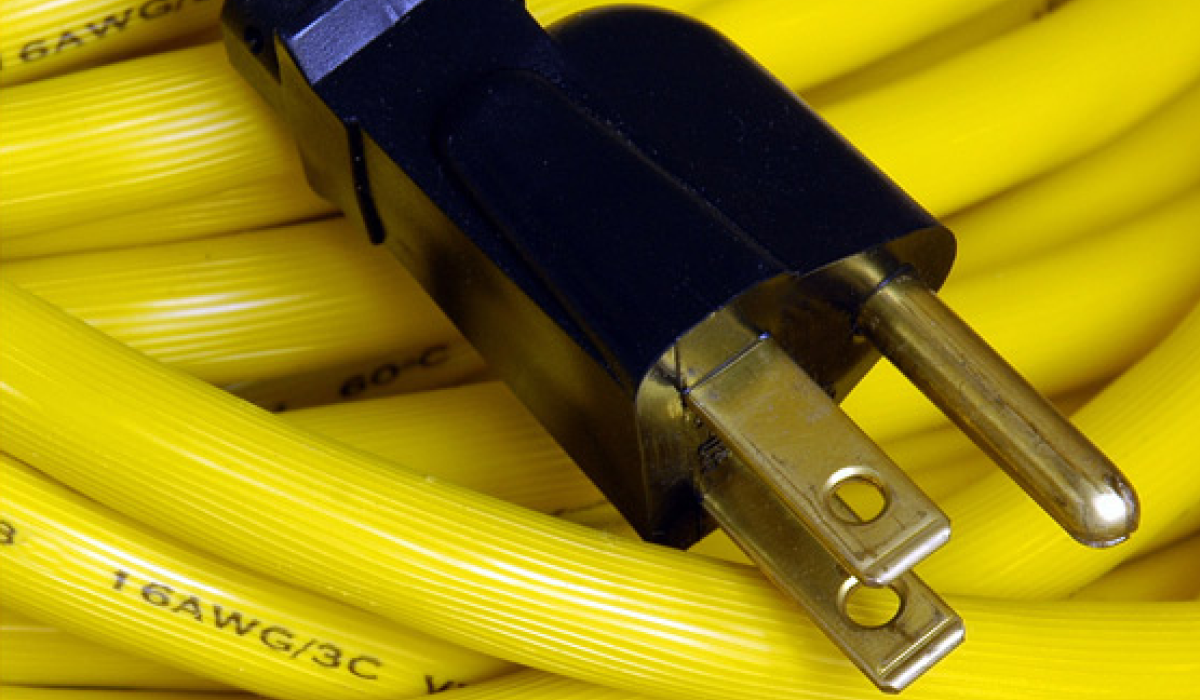
The type of cable can help you choose the best extension cord for different uses. The designation letters give a clearer picture of what a cord can do.
The outer layer of an extension cord (i.e. jacket) includes a designation that is a sequence of letters, each of which has a specific meaning. Knowing these letter designations will help you determine the right cord for your application.
| Letter Designation | Meaning |
|---|---|
| S | Flexible, rated for general use |
| W, W-A | Rated for outdoor use |
| V | Vacuum wire, softer and more flexible than standard "SJT" rated cords usually found on retractable cord reels |
| J | Standard 300V insulation. If "J" is not included, the extension cord has a thicker 600V insulation |
| P | Parallel wire construction, used in air conditioner and household extension cords |
| T | Cord jacket/cover is made from vinyl thermoplastic |
| E | Cord jacket/cover is made from thermoplastic elastomer rubber (TPE) |
| O | Oil-resistant outer jacket |
| OO | Oil-resistant insulation and outer jacket |
| FT2 | Flame retardant cord |
| CL2 | Can be used for in-wall construction |
| SRDT | Heavy-duty wire made specifically for use with higher amperage equipment |
| HPN | High-heat parallel neoprene wire for applications where high temperatures of an appliance could affect cord performance |
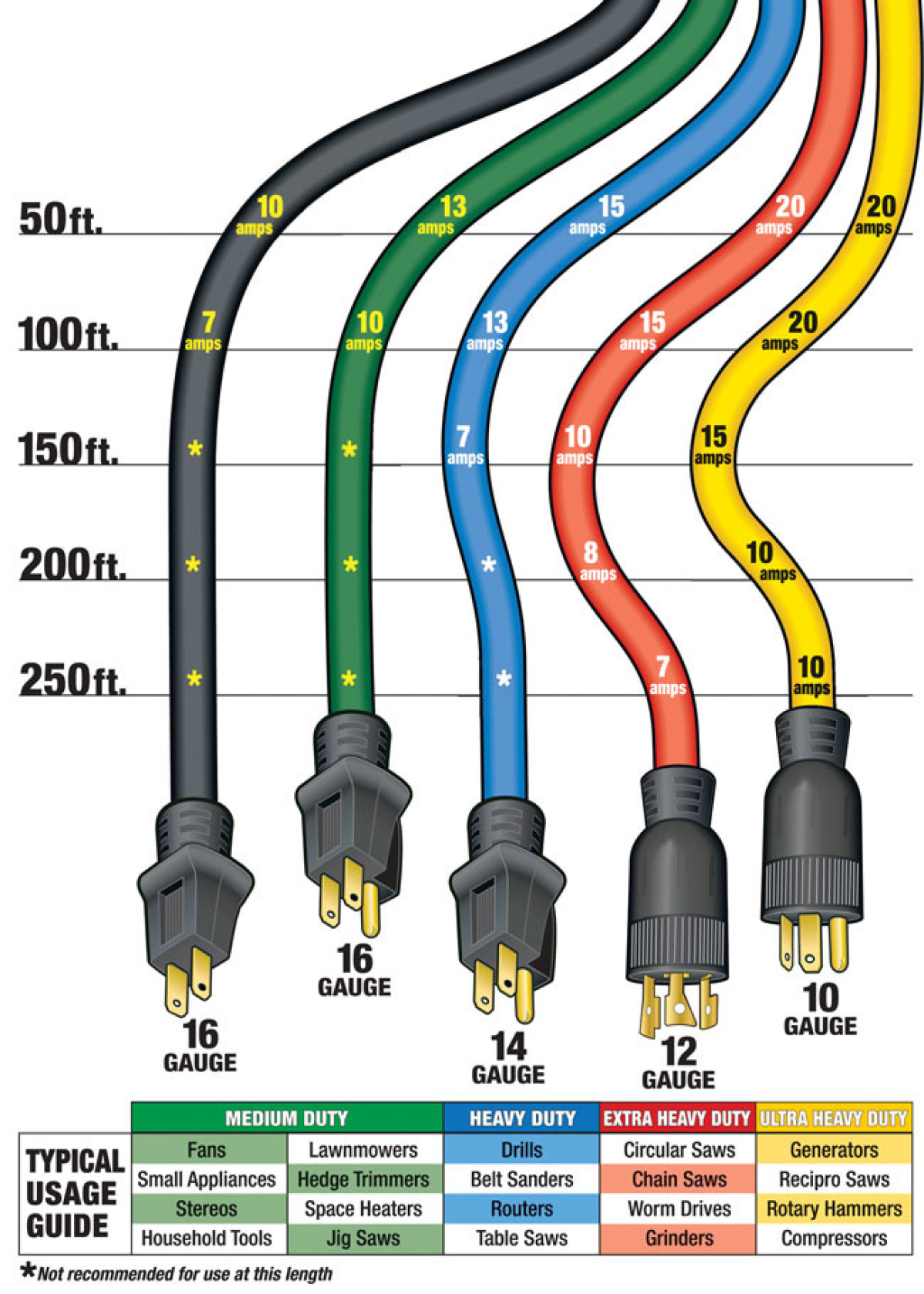
To find the right extension cord, you must also understand the importance of gauge ratings, amperage, and cord length. These three factors combined are crucial in ensuring the cord matches the job.
Any extension cord you buy will have an American Wire Gauge (AWG) rating. This is a standard system for measuring electrical wire. Typically, the AWG rating will consist of the gauge and the number of conducting wires. For example, a 12/3 extension cord rating contains 12-gauge wire and three conductors.
For extension cord gauge ratings, lower numbers indicate a thicker wire and higher capacity. The lower the number, the more electrical current an extension cord can deliver. The higher the number of conductors, the less likely the extension cable is to overheat. Usually, power extenders are available with one or three conductors.
The amperage rating of a cord determines how much power, or electrical current, it can safely carry. Most everyday power needs can be met with 15 and 20-amp cords. However, high-amperage appliances may require higher-rated cords. You should use an extension cord with equal or higher amperage than the equipment needs.
The length of an extension cord wire will determine its power capacity. The electrical resistance of a cable increases with each extra foot added. In other words, a long cord with higher electrical resistance can generate less power.
When selecting an extension cord for high-powered equipment, choose a short, heavy-duty power cord. If your task requires a longer extension cable, make sure the gauge rating is lower. This ensures the same amount of electrical current and energy as a shorter cable.
Gain early access to monthly deals, exclusive sales, and more by signing up.

Max quantity is 999999999. Your cart item has been updated
Model:
Your Model No.:
Mfr. No.:
Qty.: