100% Canadian Owned & Operated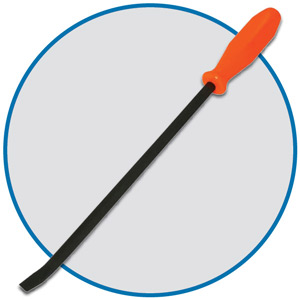





Model:
Your Model No.:
Mfr. No.:



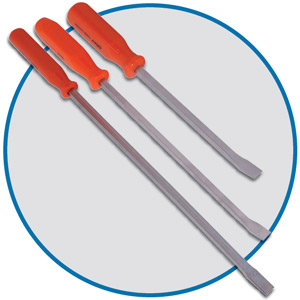
A pry bar is one of the most versatile hand tools – used to pry or separate materials, level, lift, or remove fasteners. They also go by many names: jimmy bar, crow bar, wrecking bar, gooseneck, cat’s paw, pinch bar, or iron crow.
These multi-purpose tools vary in type, length, and design, making it sometimes difficult to select the right one for the task. This guide will help you determine the best and safest pry bar option for any project and provide you with safety and maintenance tips.
To understand which type of pry bar is best suited for the task, you must first understand the components of the hand tool. Below is a breakdown of the various parts that make up the pry bar:
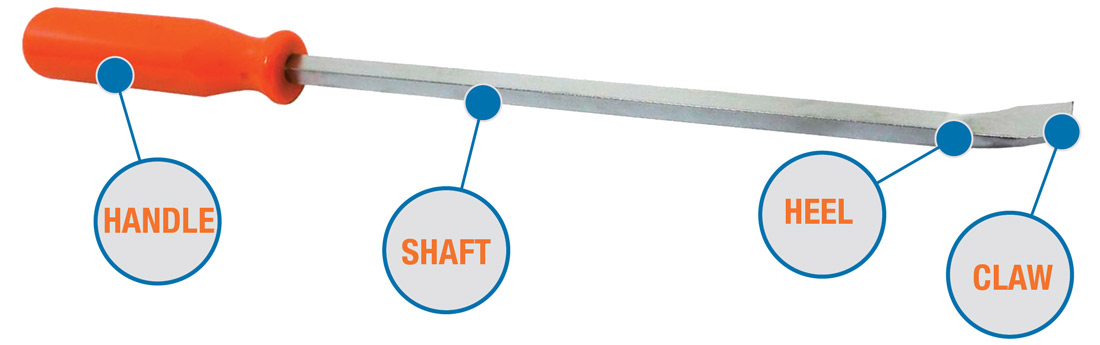
A handle provides a more comfortable grip; however, not every pry bar has a handle. Instead, there may be a tip or a second claw in the place where a handle would be.
The shaft of a pry bar tool determines grip, leverage, and function. Here are the common types of pry bar shafts:
A flat heel is best for striking, while a rounded heel increases leverage by helping the claw rock back and forth.
The claw of a pry bar determines the tasks that the tool can perform. Here are the common types of pry bar claws and their functions:
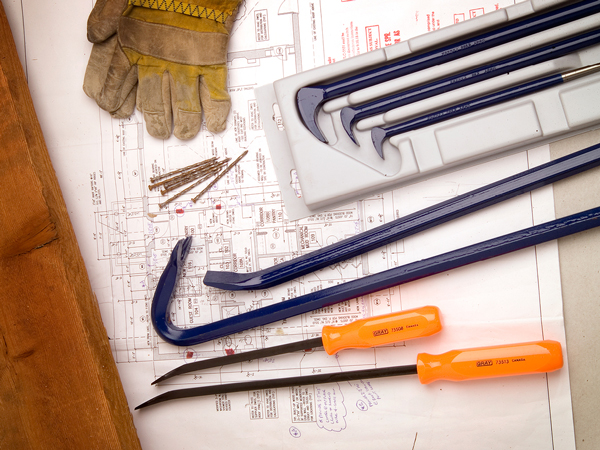
Usually made from forged alloy steel, pry bars differ in the type of end: claw, pointed, or flattened. The claw end removes nails or, when it has a small crevice, makes leverage easier. A pointed end is ideal for mating or aligning holes, making it easier to insert fasteners. A flat pry bar end allows the levering of objects.
Apart from the functionality of the ends, another design consideration is length. As a general rule of thumb, the heavier the object you lift or pry, the longer the bar should be. In other words, match the length of the bar to the amount of leverage needed to lift the object(s).
There are many types of prying tools available. Below are the commonly available and used variations of Gray Tools pry bars.
| Shaft Type | Claw | Tip or Second Claw | Function | |
|---|---|---|---|---|
| Wonder Bar (Nail Puller) | Flat | Right-angle | Offset claw | Pulling nails, lifting, scraping, prying, and leveraging |
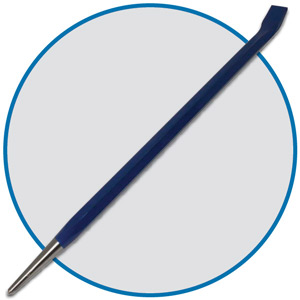
| Pinch Bar | Hexagonal or round | Chisel | Pointed tip | Mating holes (including bolt holes) and lifting objects |
| Rolling Head Pry Bar | Round | Bent | Pointed tip | Lifting and leveraging, prying, locating, and aligning |
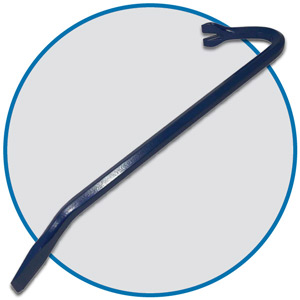
| Wrecking Bar | Hexagonal | Flat | Gooseneck claw | Heavy-duty prying and demolition work |
| Railroad Track Pry Bar | Hexagonal | 45-degree | Pointed tip | Railway track maintenance |
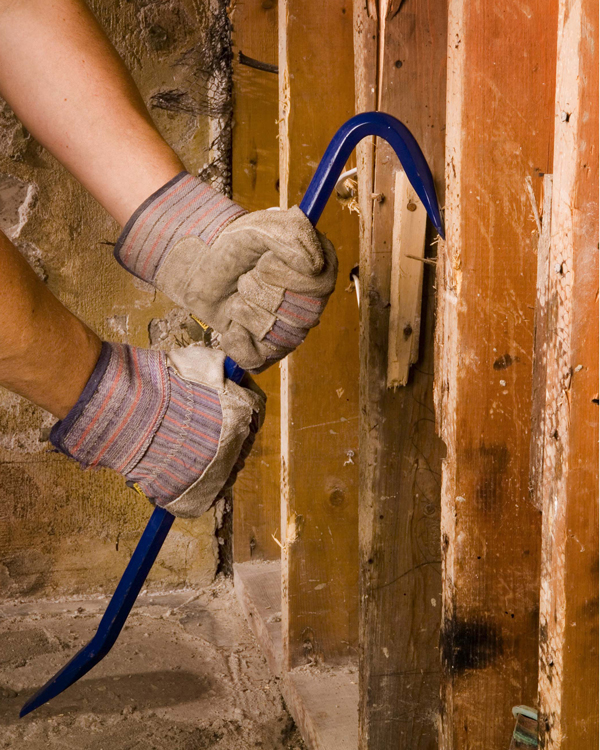
When using a prying tool, follow these tips to work safely:

Like all hand tools, user safety and tool service life are closely linked to proper maintenance and care. Proper care ensures your pry bar lasts longer and performs safely.
The terms are often used interchangeably. Technically, a crow bar is a type of pry bar with a straight or slightly curved claw for heavy-duty prying and demolition. “Pry bar” is the broader term that includes crow bars, pinch bars, wonder bars, and other variations.
Choose the length based on the amount of leverage required. Shorter bars (8 to 12 inches) are best for light tasks and tight spaces. Medium bars (15 to 24 inches) work well for general use. Longer bars (30 inches or more) provide maximum leverage for heavy-duty lifting, prying, or demolition.
Yes, but it depends on the quality. A high-quality prying tool will bend gradually if overloaded, giving you a warning before failure. Poor-quality bars may snap suddenly, which can cause injury. Always inspect your bar before use and avoid applying excessive force.
A wonder bar (also known as a nail puller) is specifically designed for pulling nails thanks to its right-angle and offset claws. A cat’s paw pry bar is another good option for smaller nails.
Gain early access to monthly deals, exclusive sales, and more by signing up.

Max quantity is 999999999. Your cart item has been updated
Model:
Your Model No.:
Mfr. No.:
Qty.: