100% Canadian Owned & Operated





Model:
Your Model No.:
Mfr. No.:
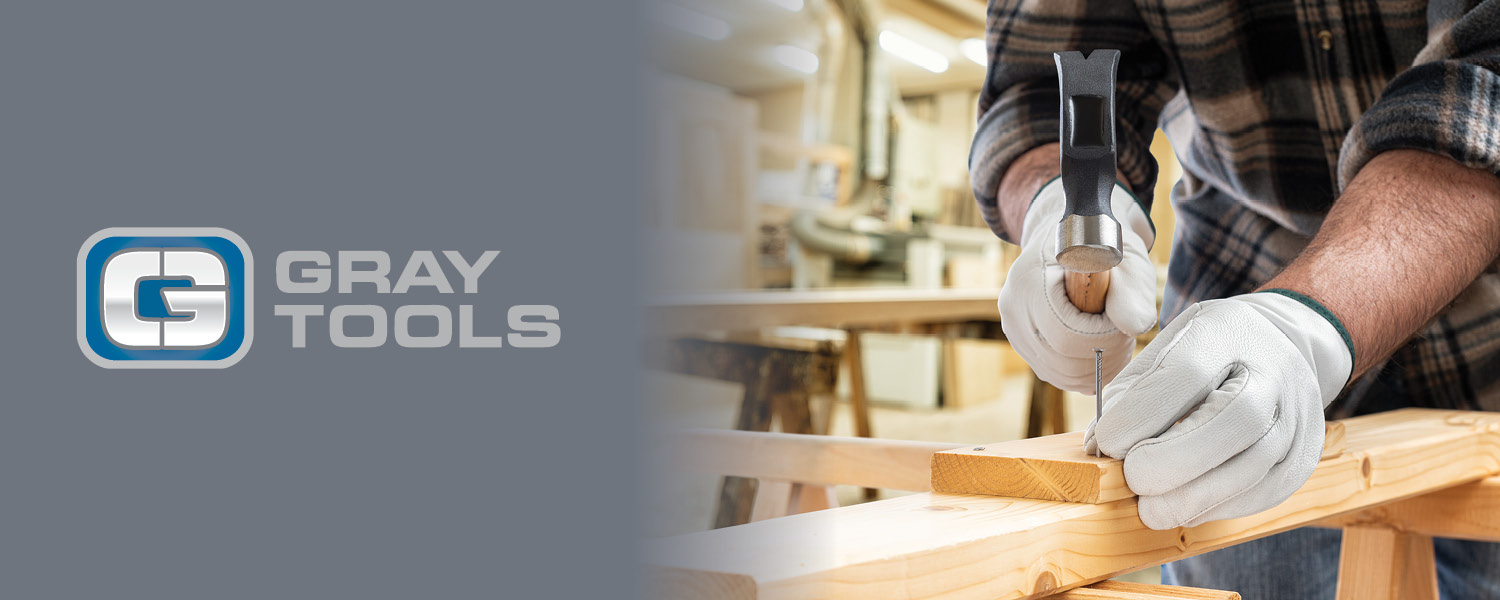

Many tools in a tradesperson's toolbox are designed to take a beating and hammers, by definition, certainly belong in this category. Qualities such as the material used for each component and the proper head-to-handle weight distribution can make all the difference.
This guide will help you distinguish a quality striking tool from one that poses a safety risk.
Given its basic design and widespread use, a hammer might appear to be little more than a tool meant for pounding on a nail or surface until the work is done. However, matching the incorrect hammer or technique to an application may lead to unnecessary damage, a tired arm, or serious injury.
Following these helpful tips will ensure your hammering job is a quality one:
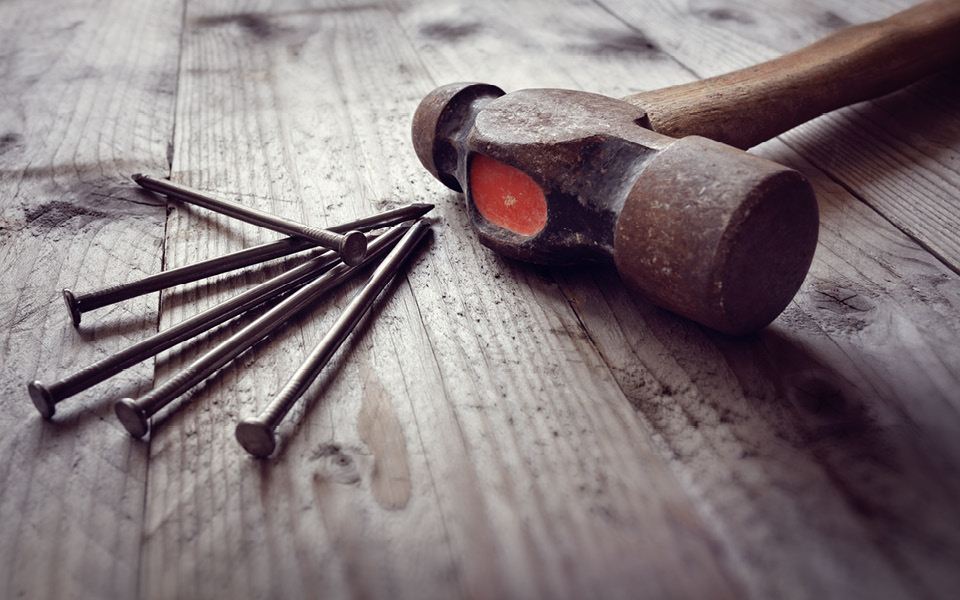
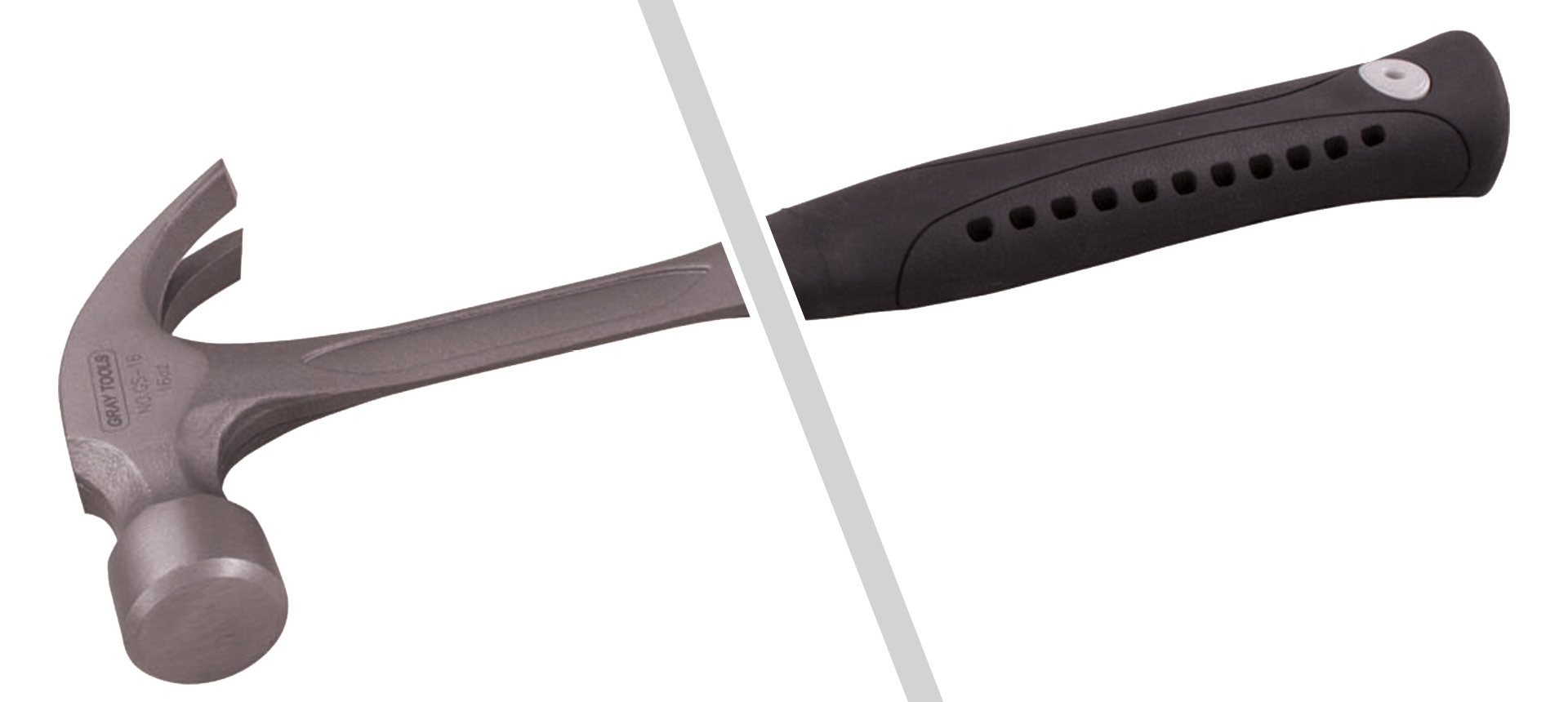
Considering its exposure to repetitive impact, the durability and overall quality of a hammer’s head is important. For heads made of metal, heat treatment is a crucial step in ensuring the correct hardness. A hammer head that is too hard will be brittle and chip easily, while a head that is too soft will dent and deform.
Hammers of the same type are offered in a variety of heads weights (usually expressed in ounces, pounds, or grams). For example, a ball pein hammer can range in head weight from 4 oz. to 48 oz. Lighter hammers are best used for tasks that require control and precision, while heavier heads are suited for tasks where more force is required.
Most hammer heads are made of steel, which provides the required durability and impact resistance. Specialty hammers can be made of various materials such as plastic, titanium, stainless steel, or brass, depending on the style and application. Additional functionalities of a hammer head may include the ability to pull or hold nails, pry wood boards apart, or shape metal.
The handle connects the user to a hammer and greatly influences user comfort, while also playing a key role in the tool’s overall strength, durability, and function. Regardless of handle style, a quality hammer handle is properly balanced and allows for smooth, effortless swings.
The two most popular materials used for hammer handles are wood and fibreglass. Wood is able to absorb shock very well and is usually better balanced than a fibreglass handle. On the downside, wood will eventually rot, warp, break, shrink, or become loose, especially if not maintained properly. Conversely, fibreglass handles are more durable than wooden ones, as the handle will not shrink, warp, or rot, and is almost impossible to break. However, a fibreglass hammer handle will not absorb shock as well as a wooden one and, even with manufacturers implementing anti-vibration technologies, wooden handles are still considered superior in this regard.
Handles are typically connected to the head in one of three ways: mechanically (using a fastener), chemically (using resins such as epoxies), or as a single piece (using a single piece of metal for the hammer head and handle). The length and shape of the handle is also important to consider, as a longer handle will generate more force but offers less control for the user. Certain handles are designed to improve grip and offer greater control.
Depending on the type of application, you may require a specific type of hammer. The below options will be suitable for one or various unique tasks.
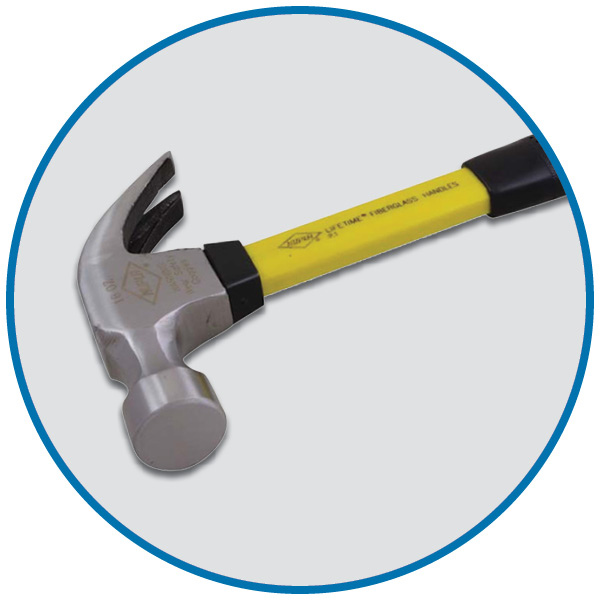
As the name suggests, this type of hammer features a claw at one end for pulling nails, and a striking face at the other typically for driving nails into wood. The claw side features a forged bevel that allows for easier removal of nails, while the edge of the striking face is also beveled to avoid chipping during off-center strikes. The striking face is also slightly domed to avoid marring the work surface and to correct off-centre strikes. Claw hammers are usually lightweight, with head weights ranging between 10 to 16 oz. that are tailored for the size of nail or surface to be driven.
SHOP NOW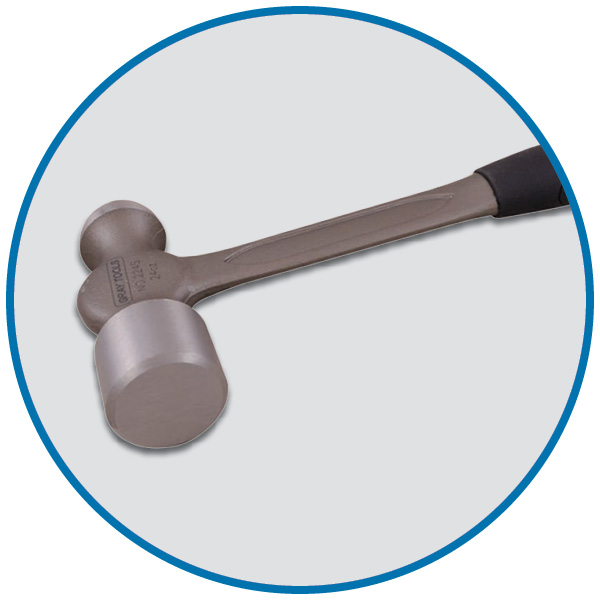
Also known as a machinist hammer, this type of striking tool is used in metalworking to mould sheets of metal into various shapes. The head of a ball pein hammer features one hemispherical end for metalworking and one flat face for driving nails, punches, and chisels, or setting rivets. The head weight ranges from 4 to 48 oz. depending on the application.
SHOP NOW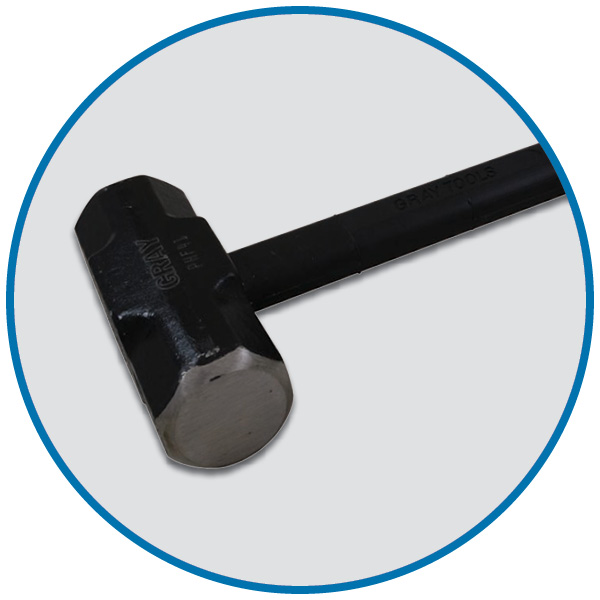
A sledge hammer is much heavier and bulkier than your typical hammer, and is not often used outside of construction and demolition applications. Typical uses for this type of hammer include concrete slab removals, stake driving, and various demolition jobs. It is critical to wear protective gear and allow for adequate clearance when swinging a sledgehammer. Due to the long handle and heavy head, overstrikes are commonplace and may lead to injury.
SHOP NOW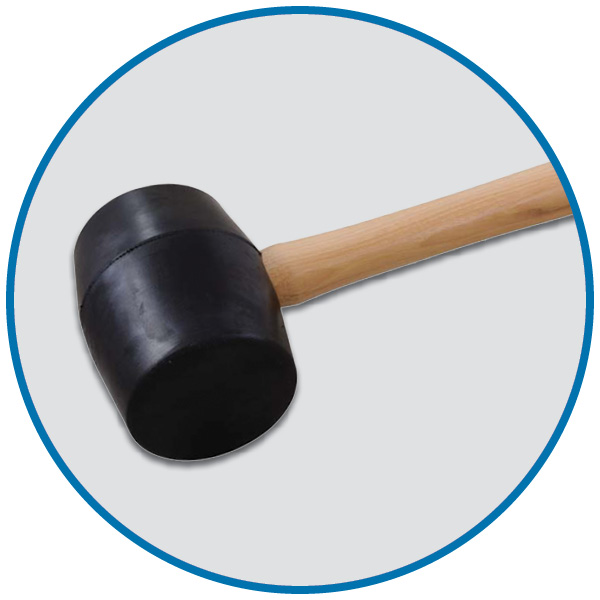
The rubber mallet is a must-have tool in any shop. In the event that damage to a work piece is of concern, the use of a hammer head made of rubber helps to reduce the harshness of impact. Rubber mallets are typically used in outdoor projects such as interlocking installation, since the head does not cause damage to the interlocking piece and light tapping sets it in place. These mallets are lighter and more versatile than both claw and ball pein hammers, and they usually have a large round striking face.
SHOP NOW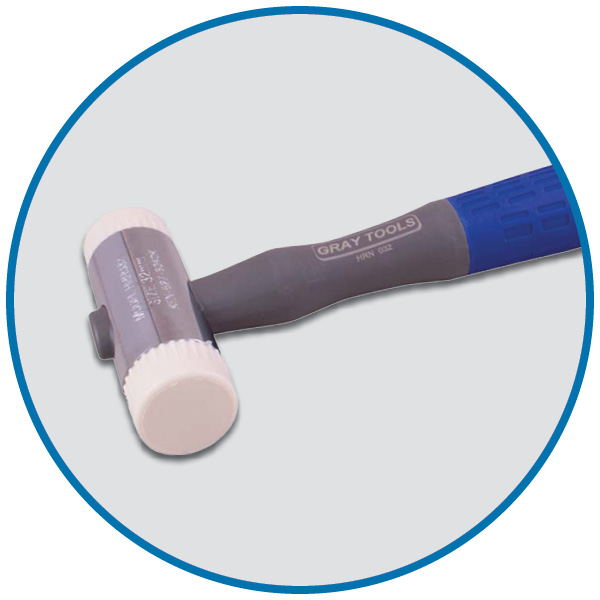
Another type of hammer to use when non-marring is important, such as when assembling cabinetry and other fine woodworking work, is the soft face hammer. This style of hammer features a tip made of plastic or rubber, nylon, and other soft compounds that are replaceable. You can buy a kit of replacement soft face hammer tips that includes a variety of different harnesses, suitable for a wide variety of applications.
SHOP NOWA hammer can become a very dangerous tool if not used properly. Follow the tips below to avoid injury to yourself and others around you:
Gain early access to monthly deals, exclusive sales, and more by signing up.

Max quantity is 999999999. Your cart item has been updated
Model:
Your Model No.:
Mfr. No.:
Qty.: