100% Canadian Owned & Operated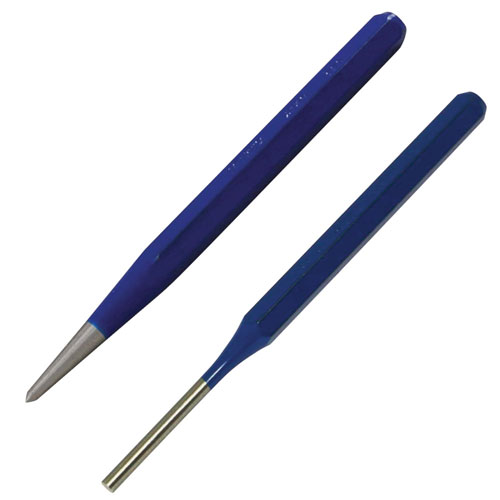





Model:
Your Model No.:
Mfr. No.:
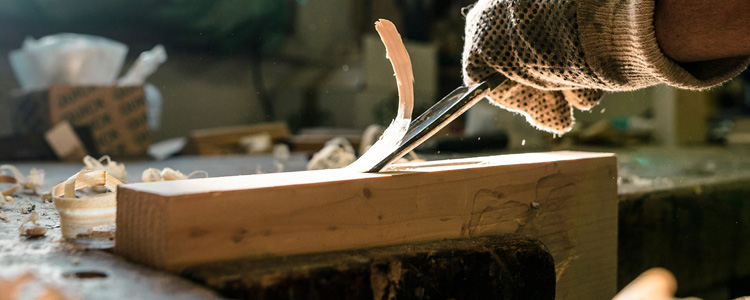

Punches and chisels have been used for countless decades, originally to complete survival tasks such as woodcarving, forming stone, and preparing and fabricating clothing. Today, hand held punches and chisels are used for removing pins and bushings, and cutting or splitting steel objects. This guide will take a closer look at the many types, shapes, designs and specific functions of each tool.
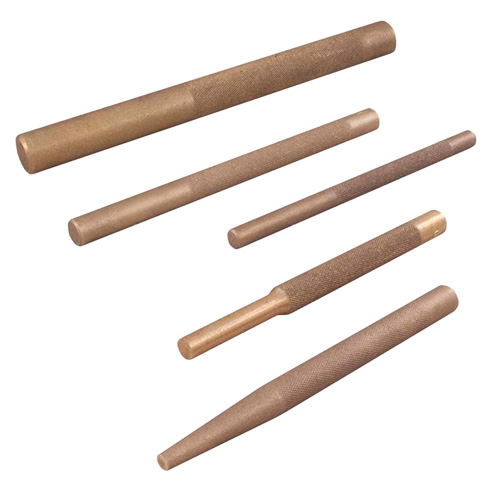
Solid punches are solid single-piece rod-shaped tools made of metal designed to be struck by a hammer. They are usually used to drive objects such as pins or to form impressions on work surfaces. Varying in length, diameter and tip size, each punch is designed to suit the job to be completed.
Proper tool selection for the job dramatically improves efficiency and tool life. Punches with tapered heads are specially heat-treated for maximum strength and designed to take the impact needed to loosen pins. Conversely, punches with long straight heads are not designed to resist heavy strike blows and, when misused, will bend or break. The proper method for breaking loose a pin is to start with a taper punch then switch to the pin punch. As such, it is ideal for technicians to have a matching tapered punch for every pin punch in their toolbox.
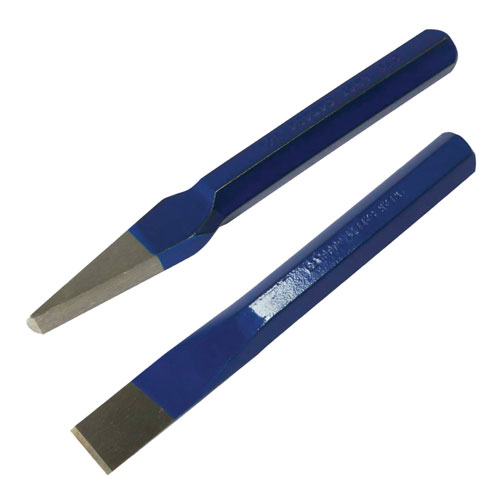
Like solid punches, metalworking chisels are metal single-piece rod shaped tools designed to be struck by a hammer. Their primary function is to cut or shape metal.
Chisels are extremely useful for cutting steel objects and materials. It is important to always ensure the object(s) being cut or worked on is not harder than the chisel being used. Failure to do so will almost surely result in the chisel’s point dulling or being destroyed. Should this occur the best way to re-sharpen the chisel is to re-file its cutting edge using a hand file. Never use, a grinder as doing so could result in the chisel losing its temper. The head diameter of the hammer should never be more than 3/8" larger than head of chisel or punch. Finally, never use a pair of pliers to hold a chisel as they will create sharp indentations that can endanger a user's hands when handling later on. Instead, always use a proper punch or chisel holder.

Most punches and chisels are differentially tempered making their striking end softer than their working end. As such, when any punch or chisel mushrooms on the striking end, it must be dressed to prevent the mushrooming pieces from chipping off and causing harm. Conversely at the opposite end (working end) maintaining a sharp and clean edge ensures you a have tool that is safe and ready to complete a job properly.
Gain early access to monthly deals, exclusive sales, and more by signing up.

Max quantity is 999999999. Your cart item has been updated
Model:
Your Model No.:
Mfr. No.:
Qty.: