100% Canadian Owned & Operated





Model:
Your Model No.:
Mfr. No.:
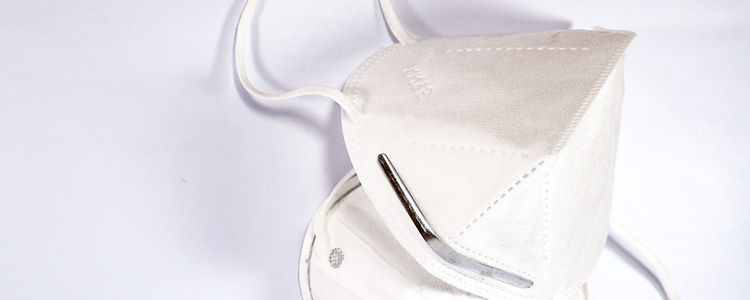
Certain jobs require wearing a respirator to prevent both inhaling hazardous materials and to protect oneself against dangerous airborne viruses. For that reason, it is important to select the proper respirator option to ensure optimal protection for your daily work tasks.
This guide will outline the differences between masks and respirators, while helping you choose the best possible respirator solution to keep you safe while you work or for everyday life.
Masks are usually loose-fitting with ear loops to hold them in place and are classified as either reusable cloth or disposable non-medical protective items. The main purpose of a mask is to prevent droplets from the wearer to reach surrounding areas through coughing, sneezing or simply breathing out. They do not protect the wearer against foreign particles that can contaminate the face.
There are masks (often referred to as ″surgical masks″) classified at ASTM level 1, 2 and 3 that do provide superior protection to a regular mask and, depending on the level, can protect the wearer from liquids or large droplets. However, these masks are also loose fitting and may not be able to protect against smaller particles usually transmitted through coughs and sneezes.

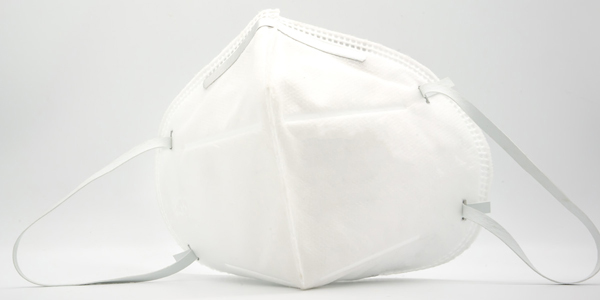
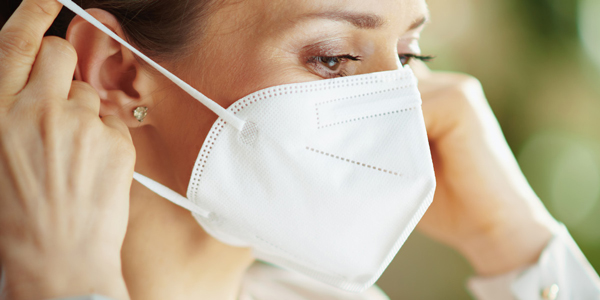
Unlike masks, respirators fit the wearer’s face to provide a tight seal around the nose and mouth. They usually have two straps that fit around the head and a metal nose-piece that provides stability. Respirators are capable of capturing and filtering particles of different sizes, even microscopic ones like viruses and bacteria. As a result, they provide two-way protection, protecting both the wearer and his or her surroundings.
Respirators are versatile devices that can provide respiratory protection for a multitude of tasks. Examples of applications that require respirators include:
Respirators can be classified into three ratings (N,R and P). Here is a breakdown of the protection capabilities of each rating:
In addition to the letter rating of each respirator, there is also a number that represents the percentage of airborne particles that can be filtered out when inhaling. The percentage denoted by each number rating is as follows:
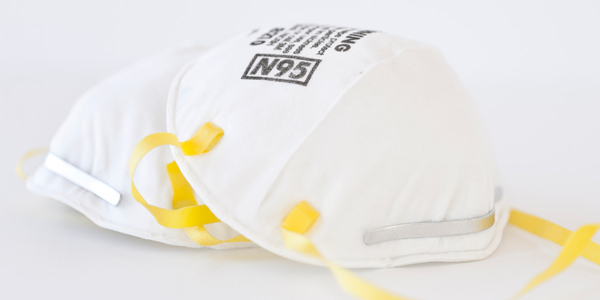
Combining both the letter and number rating of a respirator confirms what type of protection it can provide. For example, an N95 respirator is not oil resistant, but can filter 95% of airborne particles. Conversely, a P100 respirator can filter at least 99.7% of airborne particles including oil. When choosing a respirator, it is important to keep in mind what environmental factors it will be exposed to.
Although respirators can protect and filter better than masks, without a proper fit it will not be as effective as it should be. Workers who are required to wear respirators while working must ensure it properly fitted. There are two ways to test the fit of a respirator:
Typically, workers who are required to wear a respirator need to be re-tested every two years, or if their physical condition has changed. An example of a physical change is weight loss or gain, or a change in face shape.
Gain early access to monthly deals, exclusive sales, and more by signing up.

Max quantity is 999999999. Your cart item has been updated
Model:
Your Model No.:
Mfr. No.:
Qty.: