100% Canadian Owned & Operated








Model:
Your Model No.:
Mfr. No.:


In spaces where chemicals, dust, or debris are present, having a reliable eyewash station nearby is essential. The right workplace emergency equipment can make a critical difference when it matters.
This guide will walk you through the types of eyewash stations available, how to stay compliant with ANSI Z358.1 standards, and showcase trusted options from Hughes® and PIP Global’s Fendall line.
Accidents can happen quickly. A sudden splash of a chemical or a burst of dust can cause serious eye injuries if not addressed immediately. Eyewash units provide a fast and effective way to flush out contaminants while minimizing damage.
Key benefits:
Providing proper emergency eye and skin protection is a critical part of any workplace safety plan.
In Canada, workplaces follow the American National Standards Institute (ANSI) standard for emergency eyewash and shower equipment, ANSI Z358.1. This standard outlines the requirements for proper design, installation, performance, and maintenance to ensure workers can respond quickly in the event of exposure to hazardous substances.
Key requirements of ANSI Z358.1 include:
Meeting ANSI Z358.1 not only helps ensure compliance with occupational health and safety regulations across Canada, but it also reinforces your commitment to workplace safety and employee well‑being.
These eyewash station solutions connect directly to your facility’s water supply and are typically installed in permanent, high‑risk locations.
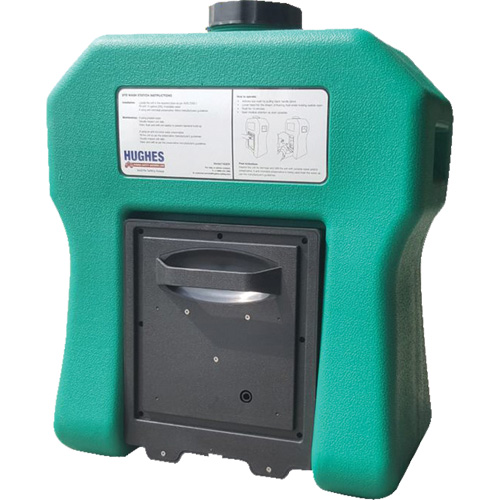
Great for temporary work areas or spaces without plumbing, portable units are self-contained and easy to set up.
Providing immediate relief before reaching a primary eyewash station, these units offer added protection in high-risk areas.
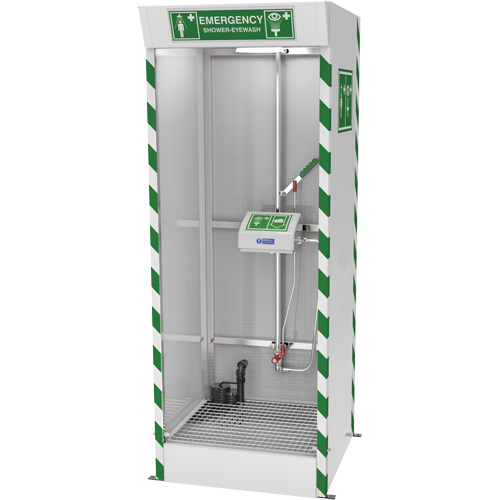
For areas with both eye and body hazards, combo units offer a comprehensive emergency response.
Hughes® is known for high-performance emergency safety solutions built to handle tough conditions. Their equipment is durable, dependable, and ready for demanding environments.
Top Hughes® products include:
PIP Global’s Fendall line focuses on innovation and ease of maintenance. Their eyewash stations are designed with user comfort and hygiene in mind, especially in portable applications.
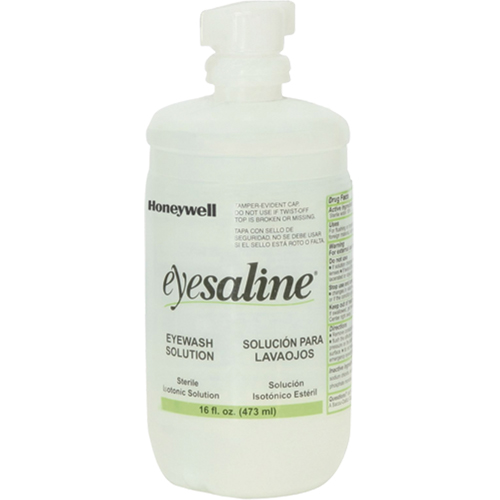
Best-selling PIP Global units:
Eyewash stations must be ready to use at a moment’s notice. Regular maintenance is the key to ensuring long‑term reliability.
Best practices include:
How often should eyewash stations be tested?
Weekly testing is recommended by ANSI to ensure equipment is functioning properly and safely.
Is there a difference between tap water and saline in eyewash stations?
Yes. Buffered saline is pH-balanced and sterile, making it safer for eye flushing, especially in portable units.
Can portable eyewash stations be used outdoors in winter?
Some units are not rated for freezing temperatures. For cold environments, look for heated or insulated models designed for outdoor use.
Hughes® provides insulated covers that ensure a tepid water eyewash station.
The right eyewash and safety shower station can stop serious injuries from hazardous products while meeting ANSI regulations. Stay safe and compliant with solutions from Hughes® and PIP Global Fendall.
Max quantity is 999999999. Your cart item has been updated
Model:
Your Model No.:
Mfr. No.:
Qty.: