100% Canadian Owned & Operated










Model:
Your Model No.:
Mfr. No.:

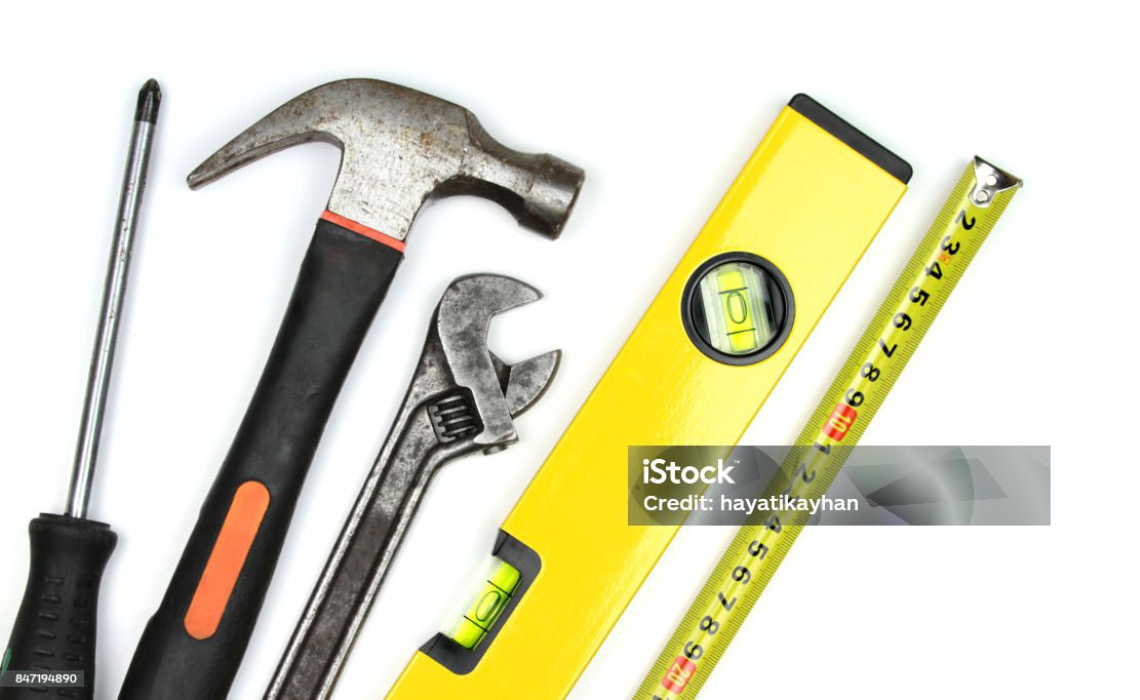
No matter the task, choosing the right hand tool is important. It makes work easier, safer, and more efficient. This hand tools guide breaks down fastening and turning tools, measuring tools, striking tools, and gripping and holding tools, with clear tips on what to look for and how to use them safely. Along the way, you’ll find helpful links to trusted products to help you build a practical, dependable tool toolbox—one piece at a time.

Accuracy is the foundation of every successful project. Reliable measuring tools help ensure clean fits and consistent results across a wide range of tasks.
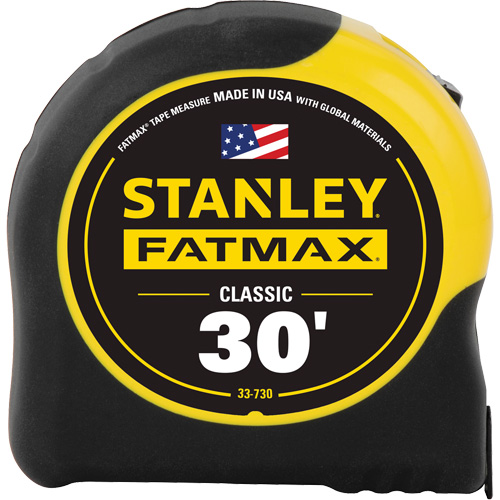
A quality tape measure delivers quick, accurate measurements for layout, cutting, and installation. Look for durable blades, easy‑to‑read markings, and a secure locking mechanism for dependable everyday use.
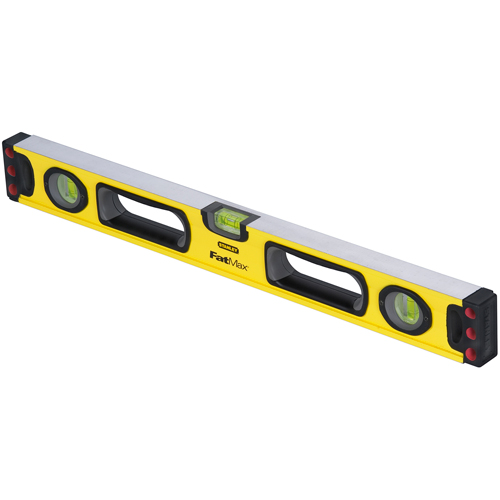
Level tools help ensure surfaces, frames, and fixtures are perfectly aligned. Choose durable construction, certified accuracy, and high‑visibility vials for precise readings on both horizontal and vertical planes.
Fastening and turning tools are used to tighten, loosen, and adjust fasteners like screws, nuts, and bolts. They’re essential for assembly, maintenance, and repair work across a wide range of tasks.
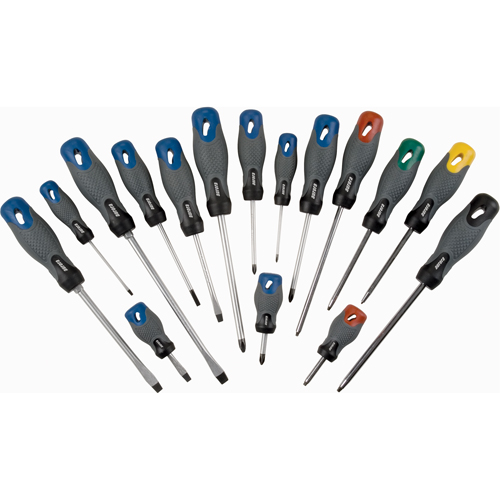
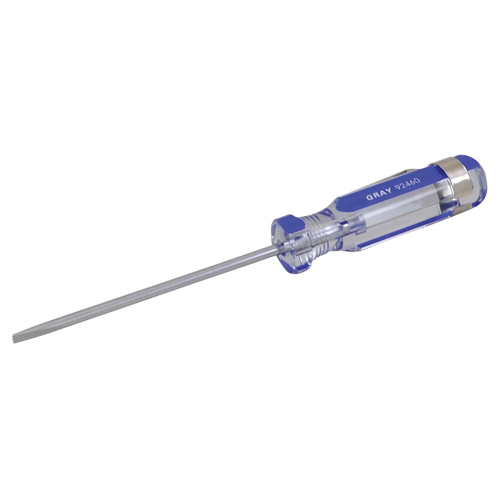
Look for screwdrivers with comfortable, ergonomic grips for easy holding and hardened tips to prevent stripping when applying pressure.
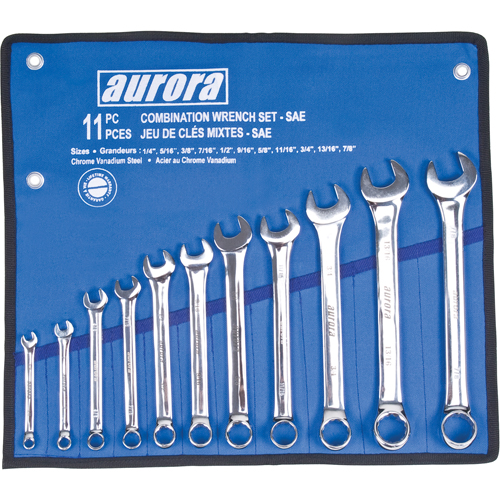
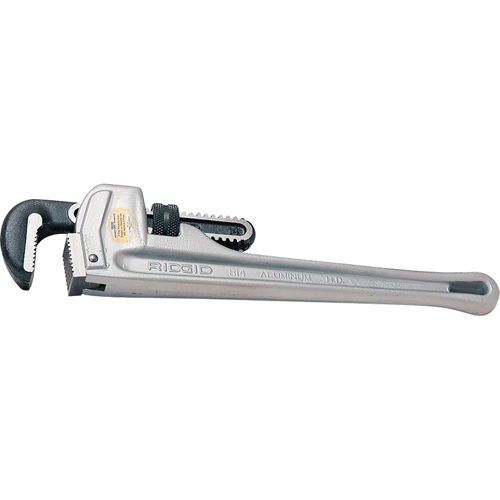
Available in adjustable, combination, and pipe styles, wrenches are essential for tightening and loosening nuts and bolts across plumbing, mechanical, and general repair jobs. High-quality steel will stand up to high torque applications, while a well-balanced, ergonomic handle will reduce hand fatigue.
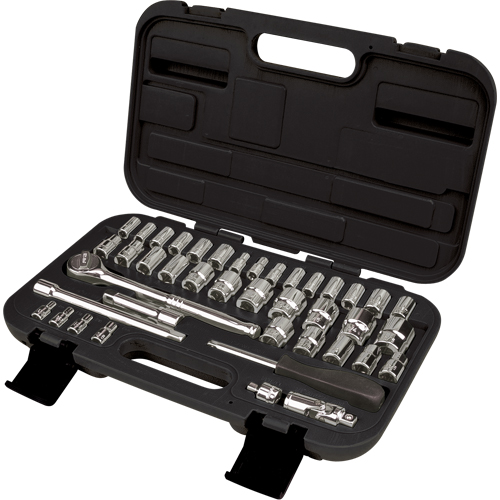
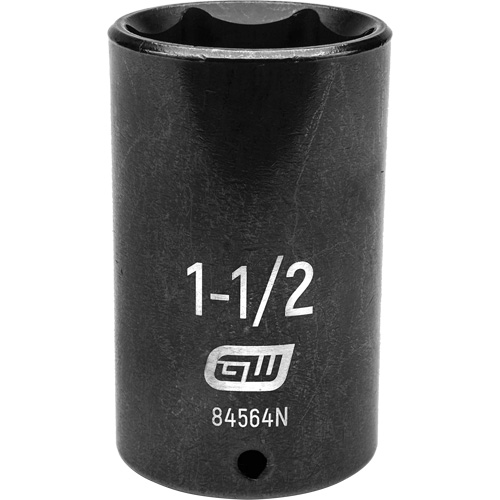
Sockets and socket sets are essential fastening tools for a wide range of tasks. Look for durable materials, the right combination of drive sizes and socket lengths, and easy‑to‑read markings that withstand regular use.
Cutting tools are essential for trimming and shaping materials efficiently and accurately. Matching the tool to the task helps improve results and supports safer, more controlled cutting.
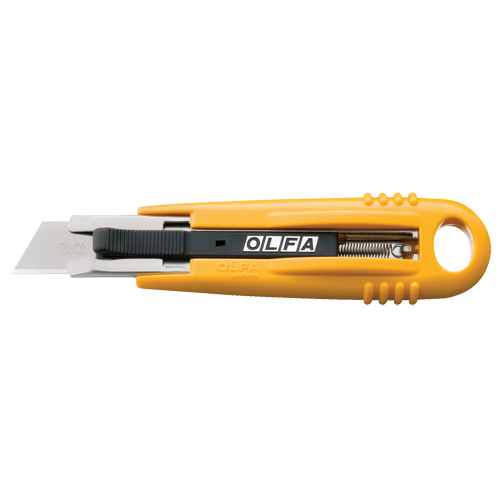
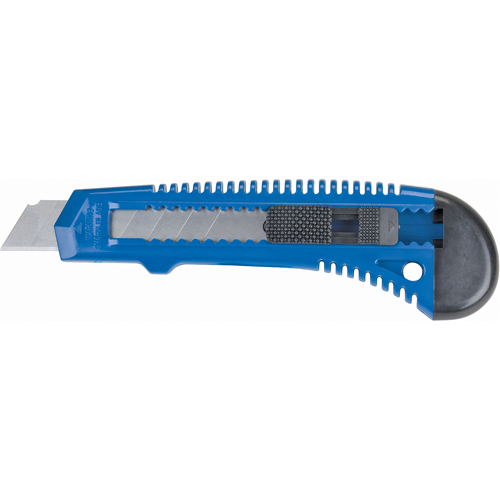
Utility knives are indispensable for scoring, trimming, and heavy‑duty cutting. Retractable blades and comfortable grips improve control and safety. Replaceable blades ensure you always have a sharp edge for safer cuts.
Hand saws cover a wide range of cutting needs, from fine woodworking to cutting metal or PVC. Selecting the right blade ensures clean cuts and efficient performance.
Striking tools deliver controlled force for driving fasteners, shaping materials, and demolition tasks. A variety of designs ensures you can apply the right amount of force without damaging materials or tools.
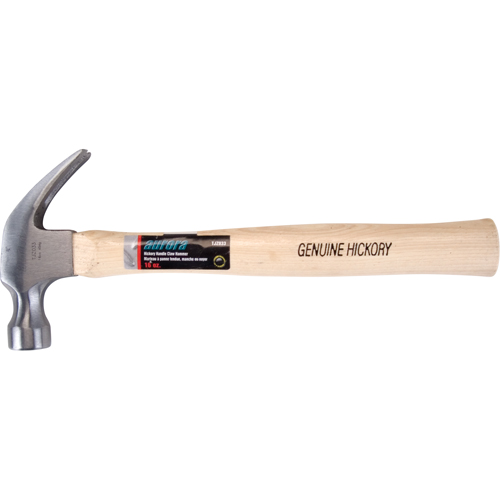
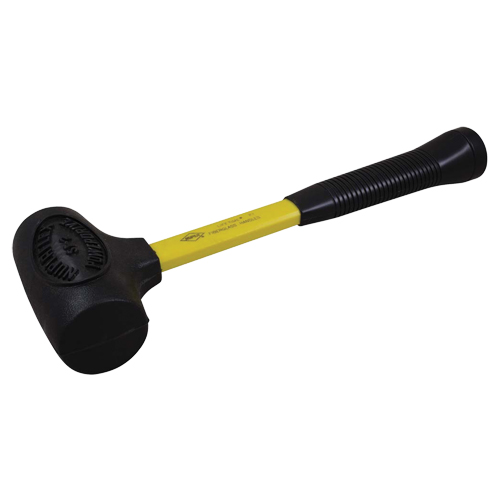
Not all hammers are equal - sledge hammers, ball pein hammers, claw hammers, and rubber mallets, to name a few, are all built for specific applications. Each design provides varying levels of weight, balance, and striking force.
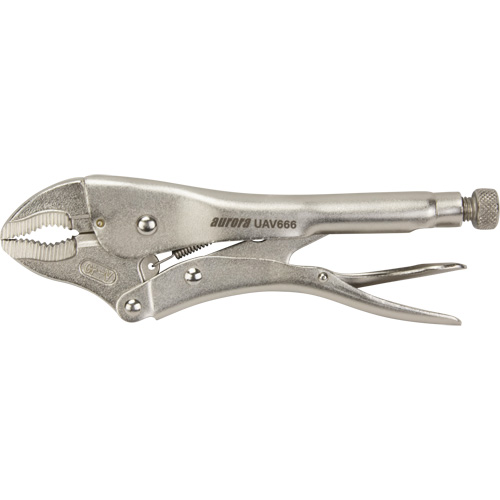
Gripping and holding tools are used to securely hold, twist, or position materials during assembly, repair, and fastening tasks.
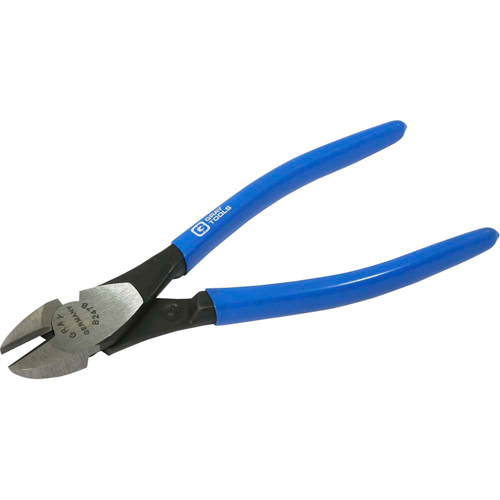
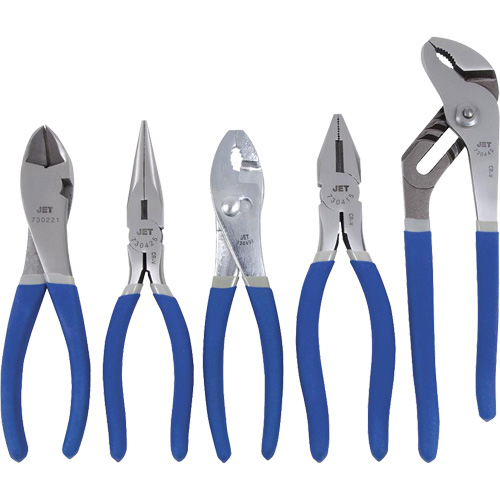
Pliers provide strong gripping, bending, and cutting capabilities for wires, fasteners, and small components. Different jaw styles offer versatility for electrical, mechanical, and general applications.
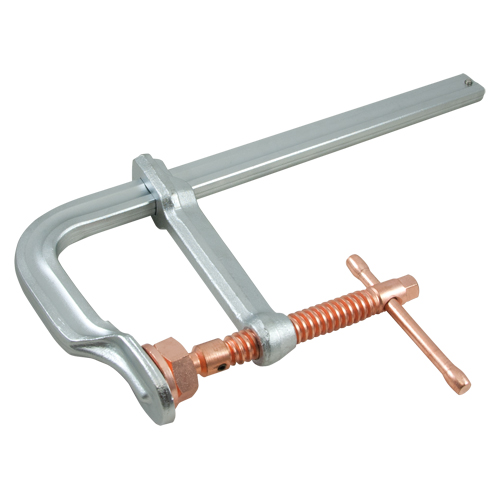
Clamps hold materials securely in place during cutting, drilling, or assembly. Adjustable designs give you steady pressure for accurate, hands‑free work.
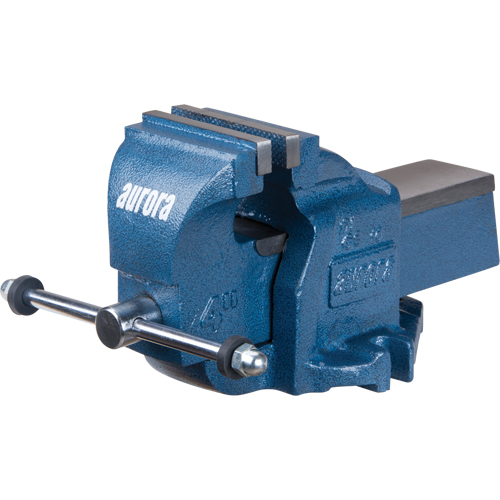
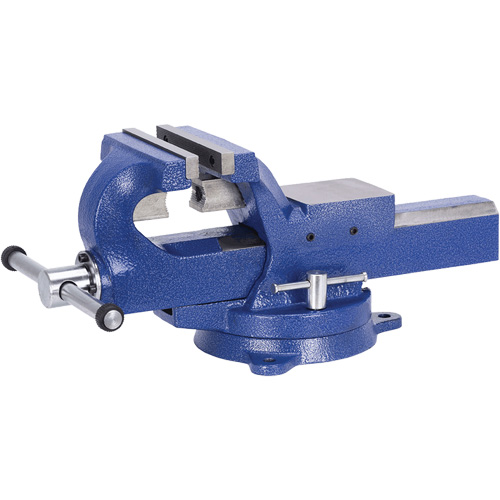
Bench vises and drill press vises offer a stable, fixed grip for shaping, cutting, and finishing tasks. A solid vise improves safety and precision when working with tougher materials.
Selecting the right tool storage depends on your work environment, mobility needs, and the scale of your tool inventory. Use the considerations below to guide your decision:
While hand tools don’t rely on power sources, they still demand safe handling. Safe design, regular maintenance, and correct use all play a role in reducing the risk of injury.
The right tools make every job easier, safer, and more enjoyable. Explore our complete range of hand tools to build a customized toolbox that fits the way you work.
Max quantity is 999999999. Your cart item has been updated
Model:
Your Model No.:
Mfr. No.:
Qty.: