100% Canadian Owned & Operated







Model:
Your Model No.:
Mfr. No.:


Proper safety clothing and safety apparel do more than protect your team—they help create a safer, more productive workplace. From hi-vis clothing on busy construction sites to flame-resistant coveralls in oil and gas environments, the right protective clothing reduces risk, supports compliance, and keeps work moving forward with confidence.
Choosing the right PPE clothing and industrial workwear isn’t always simple. Every job comes with different hazards, standards, and conditions. This guide is designed to help you navigate your options with clarity—covering key product types, safety standards, industry needs, and practical tips so you can make informed decisions that support your team every day.

Workplace hazards are everywhere—low visibility, fire risks, chemical exposure, sharp materials, and more. The right safety apparel helps protect your workers and keeps your operation compliant with key safety regulations, including CSA standards in Canada and OSHA requirements in the United States.
Employers have a responsibility to assess hazards and provide proper PPE clothing and protective workwear that meets applicable standards. Failing to do so can lead to serious injuries, legal penalties, and costly downtime.
Choosing the right work apparel helps you:
Whether you need safety clothing for construction workers or arc flash clothing NFPA 70E, the right gear plays a critical role in protecting your team and keeping your business moving forward.
Hi-vis clothing is essential where visibility matters. This includes hi-vis vests, safety jackets, pants, and hi-vis rain gear CSA Class 2.
FR clothing protects against flash fires and thermal hazards. It’s widely used in oil and gas, utilities, and electrical work.
For hazardous liquids and splashes, chemical-resistant suits and chemical splash-resistant suits provide critical protection.
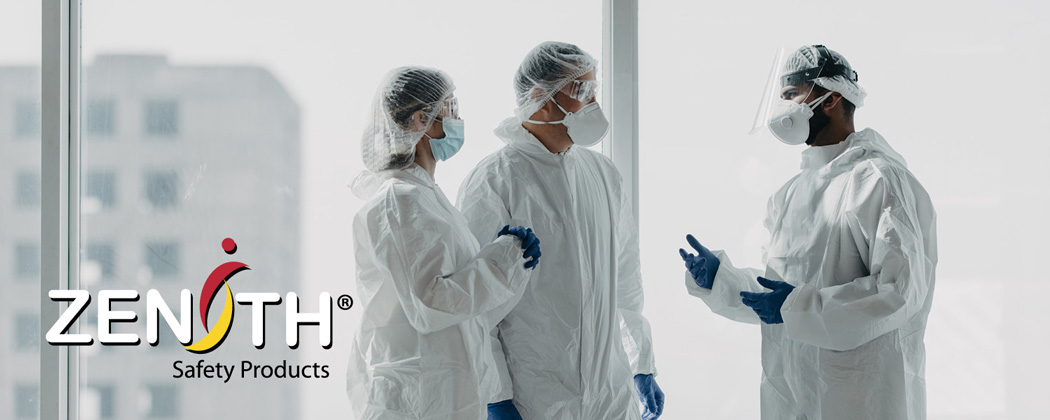
Lightweight and effective, disposable coveralls are ideal for contamination control and short-term use.
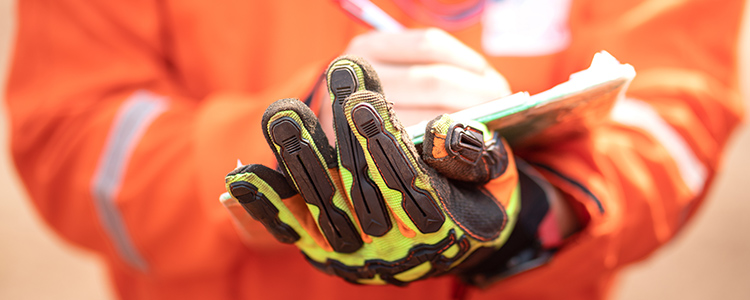
Protect against cuts and abrasions with cut-resistant sleeves for industrial use and other protective wear.
Choosing the right protective workwear starts with understanding your risks.
Identify risks like heat, flame, chemicals, sharp materials, or weather exposure.
Look for standards such as:
Workers are more likely to wear PPE clothing that fits well and feels comfortable—especially in extreme weather or long shifts.
Use disposable coveralls for short-term tasks, contamination control, or in environments such as painting and lab work. Reusable protective workwear is better for daily use where durability and long-term value are important.
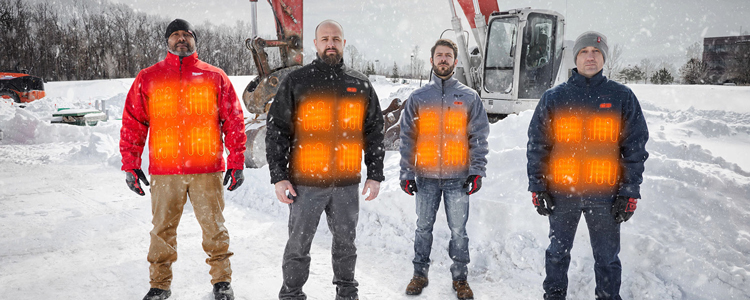
Lightweight gear improves comfort and mobility in warmer conditions or indoor environments. Insulated or layered safety apparel is better suited for colder outdoor jobs where protection from the elements is critical.
Some jobs require specialized gear, such as chemical-resistant suits for handling hazardous liquids or flame-resistant clothing for heat and flash fire risks. Matching the clothing to the hazard ensures proper protection and compliance.
For low-light or high-traffic areas, hi-vis clothing is essential to help workers stay seen and safe. Consider the worksite conditions when selecting colours, reflective striping, and garment class.
A reliable safety apparel supplier can help you find the right balance of protection, comfort, and compliance.
| Safety Standard/Certification | Description |
|---|---|
| CSA Z96 | Canadian standard for high-visibility safety apparel, specifying garment design, fluorescent materials, and reflective striping requirements. |
| NFPA 2112 | Standard for flame-resistant garments that protect workers from flash fire hazards in industrial environments. |
| NFPA 70E | Electrical safety standard that outlines PPE and clothing requirements for protection against arc flash and shock hazards. |
| ASTM F1506 | Standard for flame-resistant apparel and materials used to protect workers from arc flash hazards. |
| ANSI/ISEA 107 | U.S. standard for high-visibility safety apparel, defining visibility classes and performance requirements. |
| Industry | Recommended Safety Apparel |
|---|---|
| Construction | CSA-approved hi-vis clothing, hi-vis vest, safety jackets, rain gear |
| Oil & Gas | FR clothing, flame-resistant coveralls, arc flash-rated clothing |
| Manufacturing | Cut-resistant sleeves, disposable coveralls, safety apparel |
| Food Processing | Disposable protective coveralls, lightweight protective clothing |
| Warehousing | Hi-vis clothing, safety jackets, protective workwear |
| Mining | High-visibility gear, FR clothing, durable industrial workwear |
FR clothing should be replaced when it shows signs of wear, such as tears, thinning fabric, or contamination. Regular inspection is key to maintaining protection.
The CSA Z96 high visibility standard defines Class 1, 2, and 3 garments. Higher classes provide greater visibility, typically required for high-risk environments like roadwork.
Yes, but follow manufacturer guidelines. Improper washing can reduce the effectiveness of flame-resistant coveralls.
Arc flash clothing NFPA 70E protects against electrical arc hazards, while flash fire clothing (NFPA 2112) protects against sudden fire exposure. Each is designed for different risks.
Use disposable coveralls for short-term or contamination-sensitive tasks. Choose reusable protective clothing for long-term durability and cost efficiency.

Max quantity is 999999999. Your cart item has been updated
Model:
Your Model No.:
Mfr. No.:
Qty.: