100% Canadian Owned & Operated
Model:
Your Model No.:
Mfr. No.:

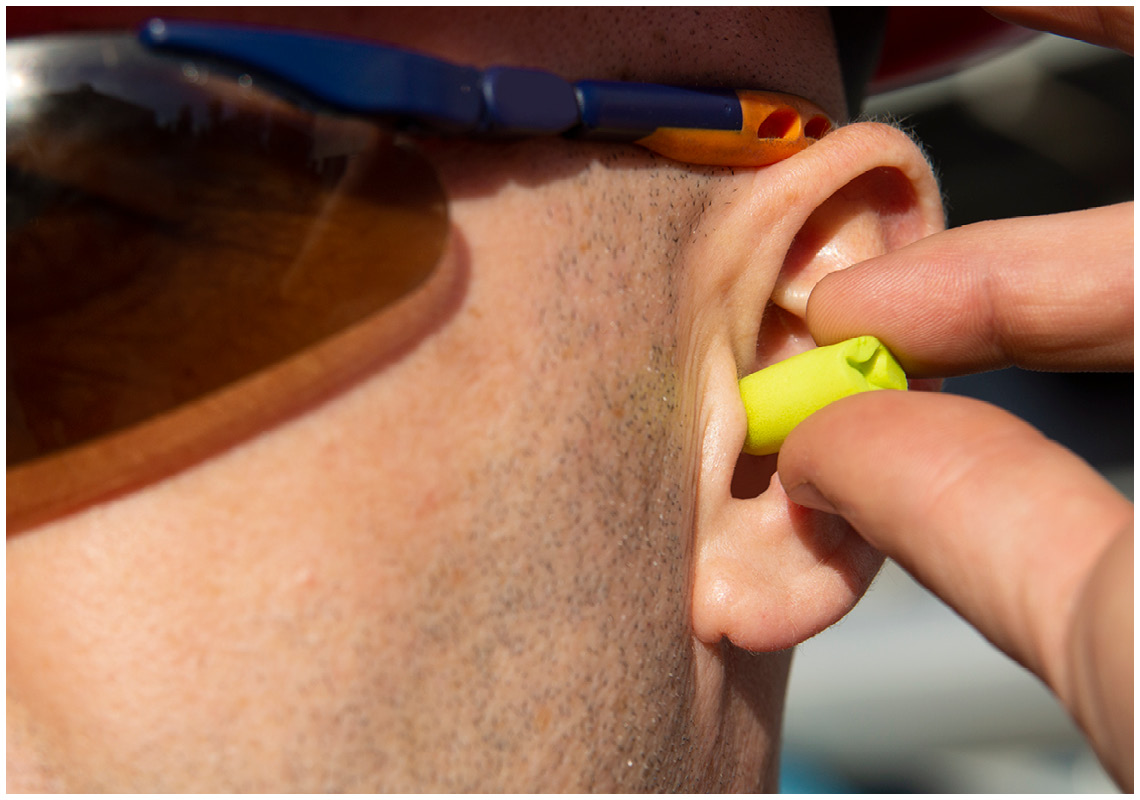
Earplugs are a reliable form of hearing protection when used correctly and for the appropriate duration. However, improper or prolonged use can lead to issues such as earwax buildup, irritation, infections, or even hearing loss.
This guide will help you select the earplugs best suited to your needs, as well as provide instructions on how to insert and care for them correctly.

When choosing earplugs for workplace hearing protection, consider the following:
Start by reviewing the Noise Reduction Rating (NRR) or Single Number Rating (SNR) of each earplug type. The NRR or SNR indicates the decibels (dBA) that the earplugs can reduce in noisy environments. This helps match hearing protection to the noise level at your worksite.
Different industries often require specific types of earplugs. For instance, metal-detectable earplugs are essential in food processing for contamination control, while banded earplugs are ideal in construction or maintenance settings where quick on/off use is frequent.
Earplugs also vary in shape, size, and material. Finding a pair that's comfortable to wear in your ear canal gives better protection and less irritation over time.
Use the table below to find the best earplug type for your job, comfort, and safety needs.
| Type | Material | Example Models |
Noise Reduction Rating (NRR) | Pros | Cons | Ideal For |
| Foam Earplugs | Polyurethane Foam |
|
29–33 dB |
|
|
General industry, high-noise environments |
| Pre-Molded Earplugs |
Silicone or Polymer |
|
25–27 dB |
|
|
Long-term use, users needing easy insertion |
| Metal-Detectable | Foam or Silicone |
|
27–29 dB |
|
|
Food processing, pharma, cleanrooms |
| Banded Earplugs | Foam or Rubber Tips |
|
25 dB |
|
|
Construction, inspections, intermittent exposure |
| Corded Foam Earplugs | Polyurethane Foam |
|
30–33 dB |
|
|
Workers moving frequently between zones |
| Earplug Dispensers |
Dispenser-Compatible |
|
Varies |
|
|
Warehouses, manufacturing plants |
Wearing earplugs is only effective when used properly. To ensure optimal hearing protection, it’s essential to focus on proper fit, correct usage, and regular maintenance.
Not all earplugs provide the same level of protection for every individual. Fit testing helps confirm that your earplugs are properly sealing and providing the right level of protection in your work environment. Fit testing is especially valuable in high-noise environments or industries that prioritize safety. Even when not required, it’s a good practice to test and confirm a proper seal and fit.
We offer fit testing kits from Howard LeightTM and 3MTM, two of the most trusted names in hearing protection:
These systems are ideal for safety programs focused on compliance, worker education, and reducing the risk of noise-induced hearing loss (NIHL).
For earplugs to work effectively, they need to be inserted correctly and removed carefully. The National Institute for Occupational Safety and Health (NIOSH) recommends the following steps:
To remove, slowly twist the earplug and gently pull it out to avoid pressure changes that can cause discomfort.

How long you can wear earplugs depends on the type:
Always follow workplace safety protocols and product instructions to ensure ongoing effectiveness and safety.
Keeping earplugs clean not only extends their lifespan but also helps prevent ear infections and irritation.
Regular cleaning and replacement help ensure your earplugs continue to provide safe and effective protection.
Exposure to loud or continuous noise without proper hearing protection can lead to permanent hearing damage. Common health risks include:
Using well-fitted earplugs in any high-noise environment is one of the most effective ways to protect your hearing health. Incorporate fit testing, regular training, and product inspections into your safety routine to reduce the long-term health impact of workplace noise exposure.
© 2026 Tenaquip Ltd. All rights reserved.





Max quantity is 999999999. Your cart item has been updated
Model:
Your Model No.:
Mfr. No.:
Qty.: